The short answer
Yes, a beginner can climb Kilimanjaro. It is a non-technical walk-up — no ropes, no climbing skills — so most reasonably fit first-timers reach the summit, provided they pick a longer route for acclimatisation, walk slowly, and train by hiking beforehand. The mountain does not reward the fittest or the youngest; it rewards the patient. What stops people is almost never their legs — it is going up too fast. Give your body enough days and the right pace and Kilimanjaro is within reach for far more people than assume it isn't.
"Can someone like me actually do this?" It is the first question nearly every first-timer asks us, usually followed by "I've never climbed anything." The honest answer is reassuring: Kilimanjaro is a trek, not a technical climb, and most reasonably fit people who prepare sensibly reach Uhuru Peak. But it is a serious high-altitude trek, and pretending otherwise helps nobody. This guide gives you the straight version — how hard it really is, whether you're fit enough, which route to choose as a beginner, and exactly what a day on the mountain feels like — so you can decide with your eyes open.
See beginner-friendly group climbs →The honest answer: how hard is it really?
Kilimanjaro is a walk-up. There is no rock climbing, no ropes, no ice axes, no technical skill required — if you can hike, you can attempt Kilimanjaro. That is what makes it the most accessible of the world's great mountains, and why tens of thousands of ordinary travellers summit every year.
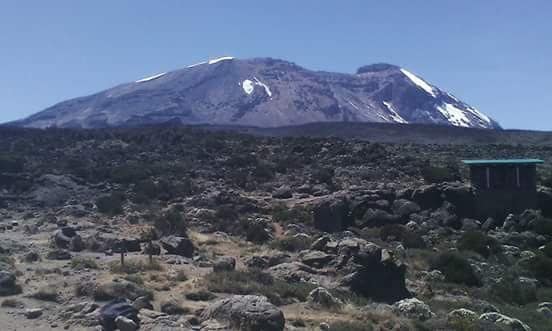
But do not mistake accessible for easy. It is long — five to nine days of walking, several hours a day, on consecutive days. And it is high: Uhuru Peak sits at 5,895 m, where the air holds roughly half the oxygen you breathe at sea level. The difficulty is not the terrain; it is the altitude and the endurance. Understanding that one distinction is the difference between a beginner who summits and one who turns back.
Good to know
The single most important fact for a beginner: summit success is decided far more by how many days you spend acclimatising than by how fit or experienced you are. We explain the data behind this in our Kilimanjaro success rate guide.
Why beginners succeed (and why fit people fail)
Here is the part that surprises everyone: being an athlete does not protect you from altitude sickness. Every season, strong, young, gym-fit climbers turn back below the crater rim while less obviously fit people in their fifties and sixties stroll to the top. The reason is simple — fitness helps you enjoy the walk and recover each evening, but only slow, gradual ascent lets your body adapt to thin air.
That is genuinely good news if you are a beginner. It means the mountain is not a fitness contest you need to win. It is a patience contest, and patience is something anyone can bring. The climbers who summit are the ones who walk 'pole pole' — Swahili for 'slowly, slowly' — on the lower days when they still feel fresh and are tempted to push. The single biggest first-timer mistake is going too fast, too early. Read more on why in our guide to how long it takes to climb Kilimanjaro.
Are you fit enough? A simple benchmark
You do not need to be an athlete, but you do need endurance. The honest benchmark is this: can you hike for six to eight hours on hilly ground, sleep, and get up and do it again the next morning — for the better part of a week? If a full day on the hills leaves you tired but not broken, you are in good shape for Kilimanjaro.
If that sounds daunting today, it is very trainable. The best preparation is simply hiking — long, hilly walks with a daypack, built up over two to three months, ideally back-to-back on weekends to rehearse consecutive days. Add some general cardio and a little leg strength for the long descents, and you will arrive ready. Our full plan is in the Kilimanjaro training and fitness guide, and what to carry is in the packing list.
Tip
Train in the exact boots and daypack you'll bring, and break your boots in well before you fly. Blisters, not fitness, ruin more first climbs than people expect.
Got a question while you read? Ombeni answers personally — usually within a few hours.
See beginner-friendly group climbs →The best Kilimanjaro route for beginners
For a first-timer, the route choice is really a choice about acclimatisation, and the rule is simple: pick a longer route. More days on the mountain means a gentler altitude profile and a much better chance of summiting. Five- and six-day climbs are cheaper and quicker but rush the one thing beginners most need — time to adapt.
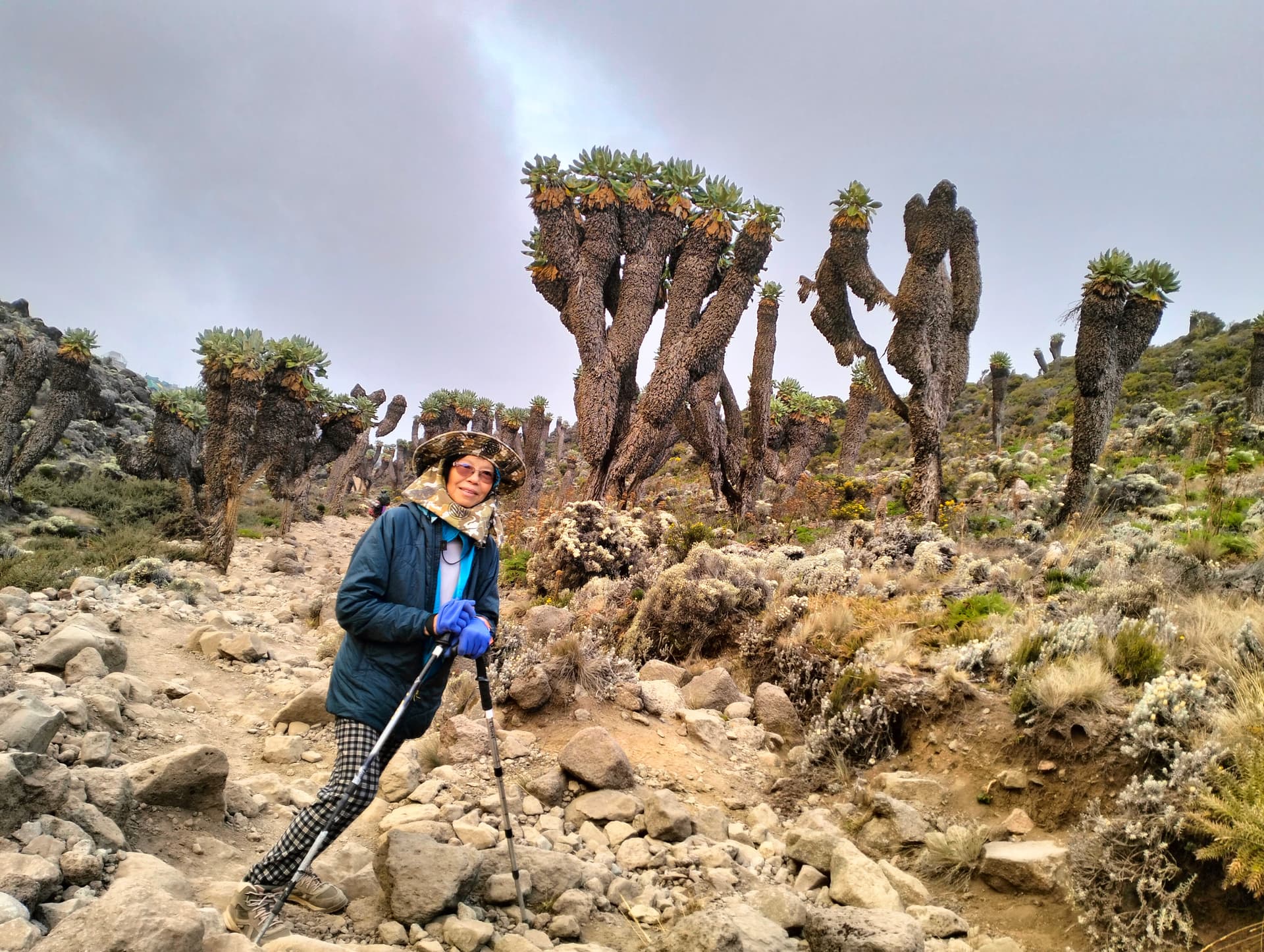
Our honest recommendation for most first-timers is the 8-day Lemosho route: it has an excellent acclimatisation profile, the best scenery, and quieter early days. A close second is the 7-day Machame route — the classic, sociable choice, one day shorter and a little cheaper. If summiting matters more than anything and you can spare the time, the 9-day Northern Circuit posts the highest success rates on the mountain. Whatever you're leaning toward, our full route comparison lays them side by side, and the Machame vs Lemosho guide settles the most common first-timer dilemma.
What a day on the mountain is actually like
Demystifying the daily rhythm takes most of the fear out of it. You'll be woken around dawn with a hot drink at your tent. After breakfast you break camp — your porters carry the heavy bags, so you walk with just a daypack holding water, snacks, a warm layer and a rain shell — and set off. Most days are four to seven hours of steady walking, with a hot lunch either packed or laid out midway.
You reach the next camp in the afternoon, where your tents are already pitched and tea and popcorn are waiting. The crew checks your health — pulse and oxygen levels — twice a day, dinner is a proper hot meal in a dining tent, and you're usually asleep early. It is a simple, restorative rhythm: walk, eat, rest, repeat. The exception is summit night, covered below.
Summit night, honestly
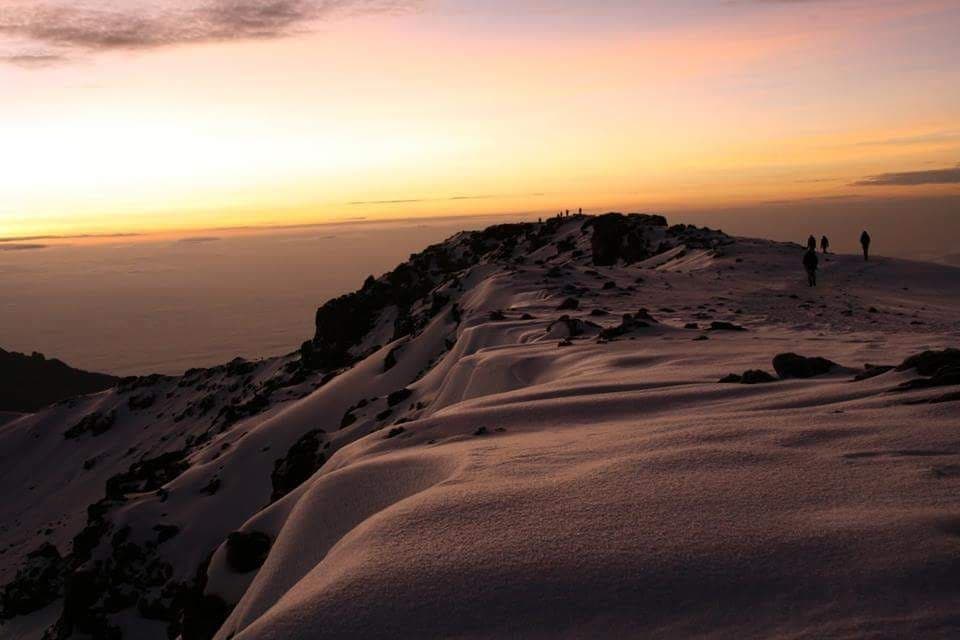
The hardest part of the whole climb is the final push, and it is worth knowing about before you commit. You'll be woken around midnight, and set off by head-torch into the cold and dark so you reach the crater rim near sunrise. It is six or seven hours of slow, steep switchbacks in freezing temperatures, on the least oxygen of the trip. It is genuinely tough — but it is tough for everyone, first-timers and veterans alike, and thousands of ordinary people do it every year.
Then the sky lightens, you reach the rim, and a final gentle hour brings you to Uhuru Peak — the highest point in Africa. Beginners who make it almost always say the same thing: it was the hardest and best thing they've done. Going in a group helps more than anything here, which is why so many first-timers choose a scheduled departure — the people around you carry you through the dark as much as your own legs do.
The beginner mistakes we see most
That last one matters most for a nervous first-timer. A properly run climb gives you the days, the food, the trained guides and the emergency oxygen that make altitude safe — see what a Kilimanjaro climb should cost and why suspiciously cheap is a red flag. Altitude sickness is manageable when it's caught early by guides who know what to watch for; our guide to altitude sickness on Kilimanjaro explains what to expect.
- ›Choosing the cheapest, shortest climb — the surest way to not summit
- ›Walking too fast on the easy early days instead of 'pole pole'
- ›Under-drinking water — hydration is part of acclimatisation
- ›Brand-new, unworn boots — a blister recipe
- ›Treating it as a fitness test rather than a patience test
- ›Booking a bargain operator that cuts days, food or safety to hit a price
Should a beginner climb solo or in a group?
For a first high-altitude trek, most people are better off joining a group. A scheduled group departure is cheaper, and — more importantly for a first-timer — the camaraderie genuinely helps you summit, especially on that long summit night. You arrive as strangers and, by summit morning, you're a team. If you'd rather set your own pace and dates, a private climb gives you total control; we weigh both honestly in our group vs private climb guide.
Either way, the right operator makes the difference between a hard-but-joyful week and a miserable or unsafe one. As a licensed, owner-led operator we run our own crews, check your health twice daily and carry emergency oxygen on every climb — and we'll tell you honestly whether the route and dates you're considering give you a real shot at the top. Tell us your fitness and dates and we'll match you to the right first climb.
Frequently Asked Questions
Ready to take the next step?
See beginner-friendly group climbs →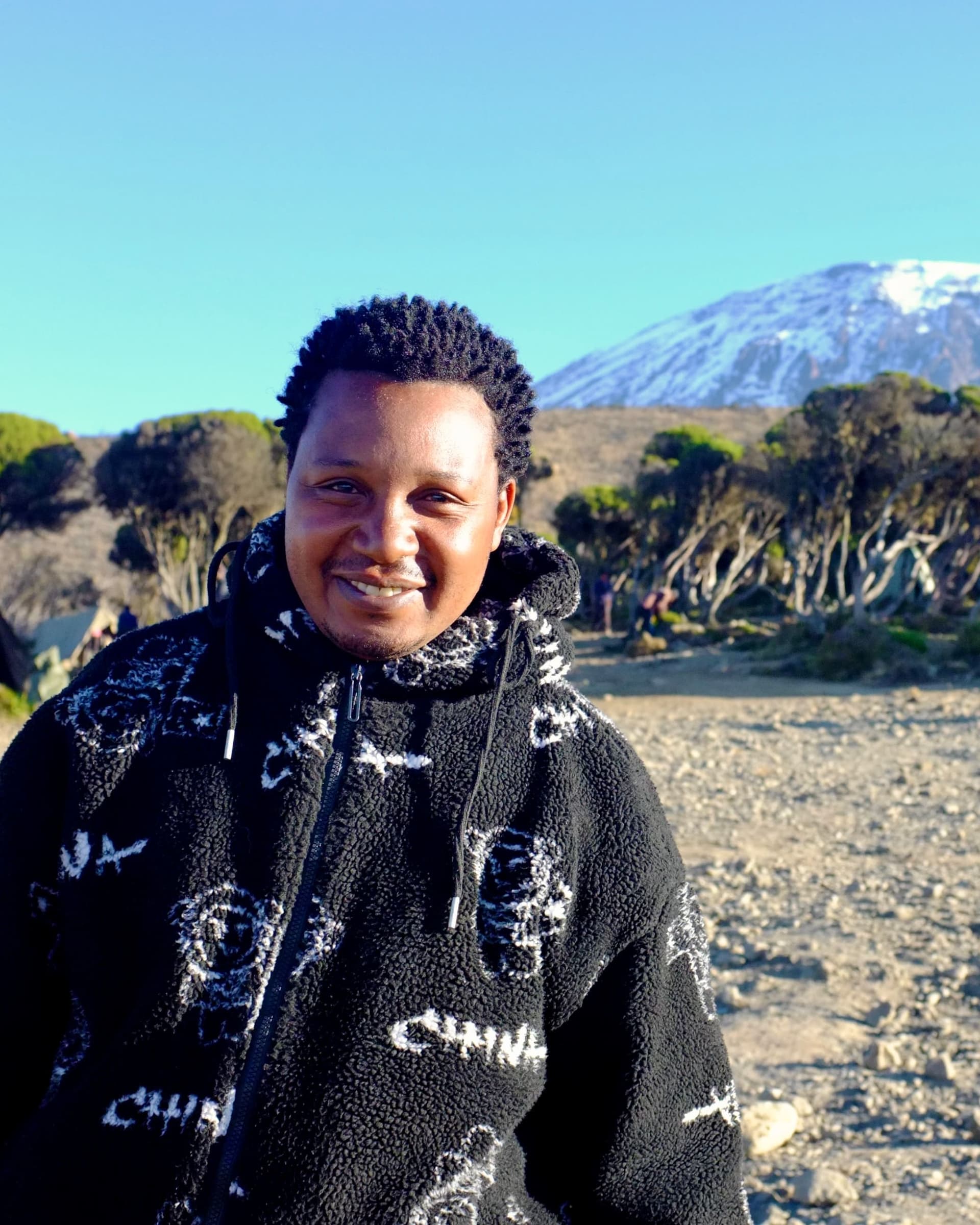
Written by
Ombeni — Founder & Lead Guide
Ombeni founded Trust Tours & Safaris in Arusha in 2008 and has personally guided hundreds of Kilimanjaro climbs and Tanzania safaris. TALA-licensed Tourism Agent (Class A). More about Ombeni →