The short answer
To climb Kilimanjaro you should be able to hike comfortably for six to eight hours on consecutive days. The best training is hiking itself — long, hilly walks with a daypack, built up over two to three months — supported by some cardio and leg strength. You don't need to be an athlete; you need endurance and resilience.
Kilimanjaro is a walk, not a climb — but it's a long walk, day after day, at altitude. The fitter you are, the more you'll enjoy it and the easier each day feels. The good news is that training for it is refreshingly simple: the single best preparation is to go hiking. Here's how to be ready.
See our Kilimanjaro climbs →What 'fit enough' actually means
Forget summit-day heroics for a moment. The real test is repetition: can you hike for six to eight hours, sleep, and get up and do it again the next morning — for up to a week? If you can comfortably do a full hilly day-hike and feel ready to repeat it, you're in good shape for Kilimanjaro. How many days that means in practice depends on your route — see how long it takes to climb Kilimanjaro.
Good to know
No amount of fitness prevents altitude sickness — that's down to days and pace. Train so you can enjoy the walk, not because fitness alone gets you to the top.
The best training is hiking
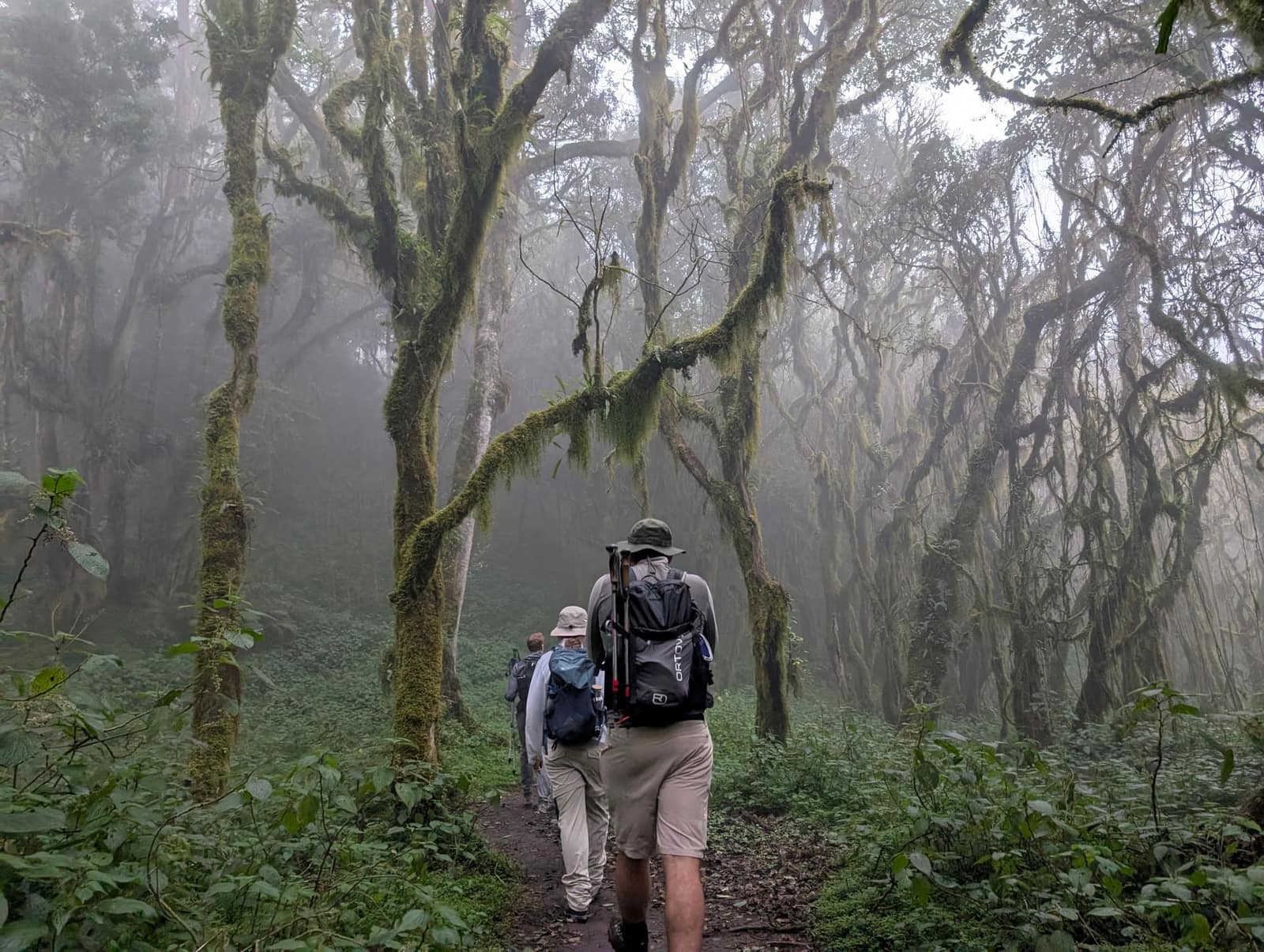
If you do one thing, do this: go on long hikes, on hills, carrying the daypack you'll use on the mountain. Build up the distance and elevation gain over time, and try to do back-to-back hiking days at weekends to mimic the consecutive days on Kilimanjaro. Train in the boots and daypack you plan to bring — our Kilimanjaro packing list covers what those should be.
- ›Start 8–12 weeks out and build gradually
- ›Walk hilly terrain, not just flat ground
- ›Carry a 5–7 kg daypack to get used to the load
- ›Do back-to-back days (Saturday and Sunday) to train recovery
- ›Break in your hiking boots well before the trip
Round it out with cardio and legs
Between hikes, build your aerobic base with anything that raises your heart rate for a sustained period — running, cycling, swimming, the stair machine. Add some simple leg and core strength (squats, lunges, step-ups) to protect your knees on the long descents, which surprise people with how tiring they are.
If you want a genuine dress rehearsal rather than a gym plan, climbing Mount Meru before Kilimanjaro tests your legs and pre-acclimatises you at the same time. Otherwise, pick a route with enough days built in — see which Kilimanjaro route to climb.
A simple 8-week build
- ›Weeks 1–2: 2–3 cardio sessions + one shorter hike each week
- ›Weeks 3–5: longer weekend hikes with a daypack; add leg strength twice a week
- ›Weeks 6–7: back-to-back weekend hikes on hills; keep midweek cardio
- ›Week 8: taper — one easy hike, rest, and arrive fresh
Frequently Asked Questions
Ready to take the next step?
See our Kilimanjaro climbs →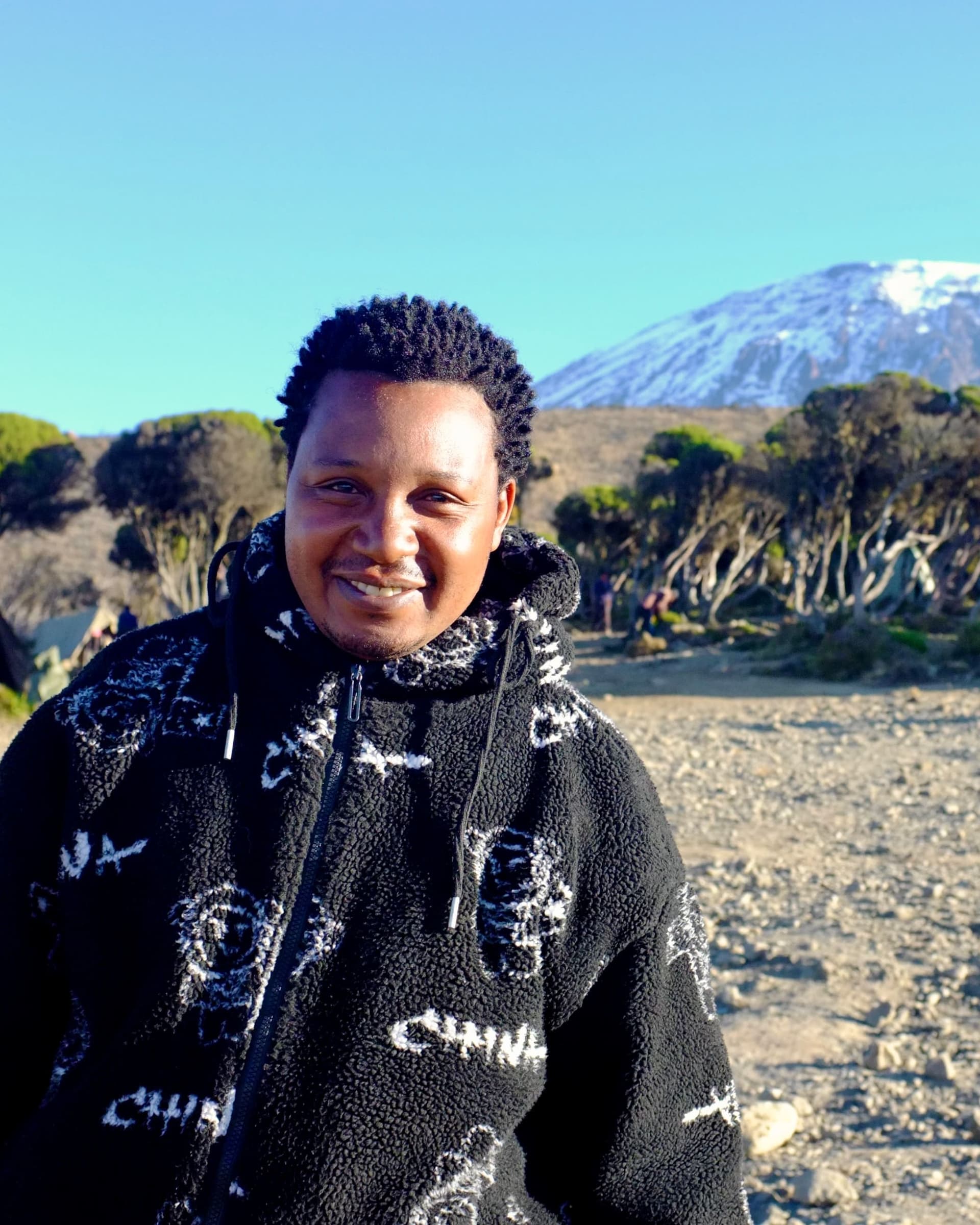
Written by
Ombeni — Founder & Lead Guide
Ombeni founded Trust Tours & Safaris in Arusha in 2008 and has personally guided hundreds of Kilimanjaro climbs and Tanzania safaris. TALA-licensed Tourism Agent (Class A). More about Ombeni →