The short answer
Yes — Tanzania is a safe, well-trodden destination, visited safely by more than a million tourists a year, and in 2026 that remains true. On safari and Kilimanjaro you're with professional guides the whole time, which makes them the safest parts of the trip. Towns like Arusha and Zanzibar call for ordinary city sense with valuables. The real risks are health-related — malaria, sun, altitude — and are easily managed with preparation. The single biggest safety decision you make is your operator: a licensed one changes the whole risk picture.
Safety deserves an honest answer, not scaremongering or glossing over. The short version: Tanzania is a welcoming, heavily-visited destination, and the vast majority of trips are completely trouble-free. But "is it safe?" has different answers depending on where you are and who you are, so here's the realistic, context-by-context picture for 2026 — and, at the end, what I actually tell my own guests.
Plan a safe, guided trip →On safari and Kilimanjaro — the safest part
These are the safest parts of your whole trip, because you're with professionals the entire time. On safari you view wildlife from a vehicle with an experienced guide who keeps a respectful distance and reads animal behaviour for a living. On Kilimanjaro, the main risk isn't crime or wildlife — it's altitude, which is managed by choosing enough days, walking slowly, and climbing with a crew that runs daily health checks and carries emergency oxygen (see altitude sickness on Kilimanjaro).
Tip
Wildlife is wild — the one golden rule is to follow your guide's instructions at all times. Do that and a safari is remarkably safe.
In Arusha, Moshi & Zanzibar towns
Arusha, Moshi and Stone Town are used to visitors and generally relaxed, but like any town anywhere, petty theft can happen. This is ordinary city sense, not Tanzania-specific fear: keep valuables in the hotel safe, don't flash expensive items, use arranged transport after dark, and stay aware in crowded markets. Your guide and hotel will tell you if there's anywhere to avoid.
- ›Keep passports and spare cash in the hotel safe
- ›Use your operator's transfers rather than hailing rides at night
- ›Be discreet with phones and cameras in busy public areas
- ›Dress modestly in Stone Town and other Muslim-majority areas
- ›Carry a card and a little cash; avoid large cash withdrawals in the open
Is Tanzania safe for solo and female travellers?
Yes — Tanzania is a popular and rewarding destination for solo travellers and solo female travellers, and many of our climbers and safari guests travel alone. On a guided trip you're rarely truly on your own: you're with a professional guide and, on group departures, a ready-made group. That structure is exactly why solo travel here feels comfortable.
The sensible precautions are the same you'd use travelling solo anywhere, with a little local awareness: dress modestly (especially in Zanzibar and Muslim-majority areas), use your operator's transport rather than the street at night, keep someone informed of your plans, and trust a licensed operator to handle logistics so you're never stranded. Female travellers report Tanzania as friendly and respectful; a good operator adds a layer of reassurance by vetting guides and camps.
Good to know
Solo and prefer not to climb or safari alone? A scheduled group departure pairs you with other travellers — the easiest, most sociable way to travel solo safely.
The real risks are health, not crime
For most travellers the practical risks are health-related, and all are manageable with a little preparation. Malaria is present in most of the country — take antimalarials and use repellent (see malaria in Tanzania). Make sure routine vaccinations are up to date and check whether you need a yellow-fever certificate (see Tanzania vaccinations). Add strong sun protection, bottled or purified water, and respect for altitude on Kilimanjaro.
One thing we treat as non-negotiable: comprehensive travel insurance that covers your activities — including high-altitude trekking and emergency evacuation if you're climbing. It's the cheapest peace of mind you'll buy for the trip.
Got a question while you read? Ombeni answers personally — usually within a few hours.
Plan a safe, guided trip →Why a licensed operator changes the whole picture
Here's the honest truth most safety articles miss: in Tanzania, your operator is your single biggest safety factor. A licensed, reputable one means well-maintained 4x4s, experienced guides who know the terrain and the wildlife, sound mountain-safety procedures, emergency plans that actually work, and someone reachable if anything changes. An unlicensed bargain operator is where the real risk lives — cut corners on vehicles, crew and safety don't show up on a quote until something goes wrong.
This is why we say choosing your operator carefully matters more than any other precaution — and why it's worth knowing how to verify an operator is licensed before you book anyone.
What I tell my own guests — Ombeni
After running trips here since 2008, my honest answer to "is Tanzania safe?" is yes — and I'd say the same to my own family. The travellers who have trouble are almost never the ones on safari or the mountain; they're the ones who cut corners on the operator, or who forget the basics like insurance and malaria tablets. Get those right and Tanzania is one of the most welcoming places you'll ever visit.
What I tell every guest is simple: travel with a licensed operator, follow your guide, sort your insurance and antimalarials before you fly, and use normal city sense in town. Do that, and you can relax and enjoy the trip you came for. If you ever have a safety question while planning, message me directly — I'd rather answer it honestly than have you worry.
Frequently Asked Questions
Ready to take the next step?
Plan a safe, guided trip →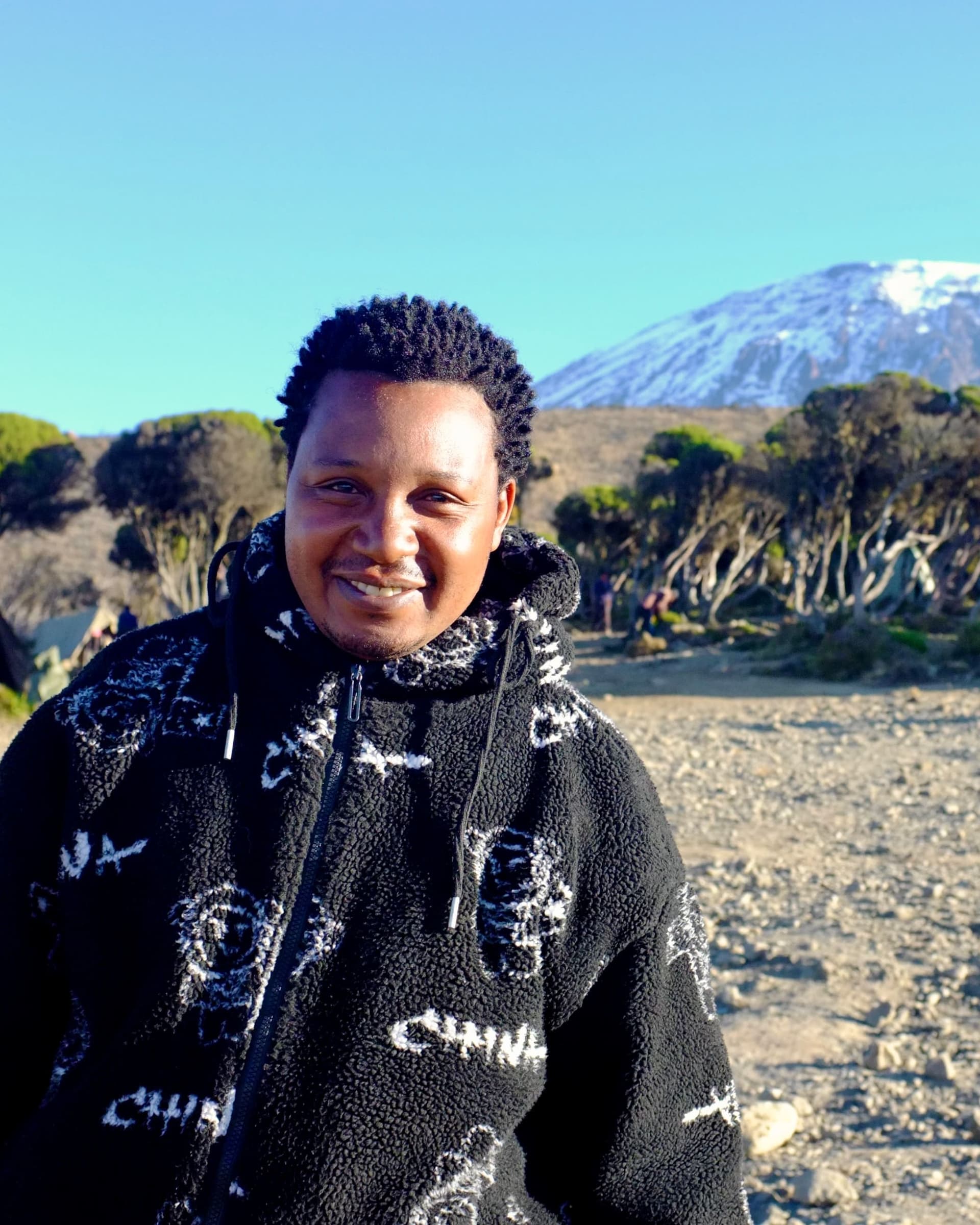
Written by
Ombeni — Founder & Lead Guide
Ombeni founded Trust Tours & Safaris in Arusha in 2008 and has personally guided hundreds of Kilimanjaro climbs and Tanzania safaris. TALA-licensed Tourism Agent (Class A). More about Ombeni →