The short answer
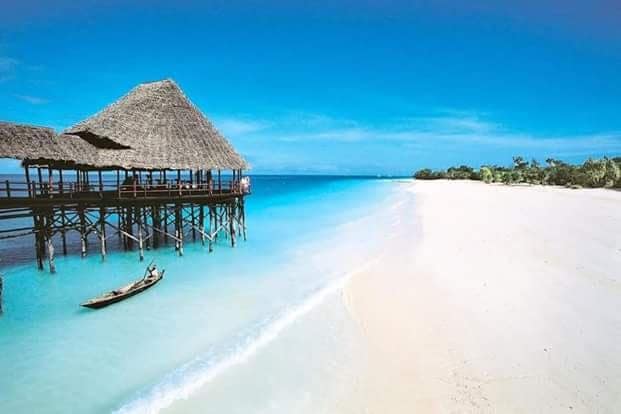
Zanzibar is a tropical archipelago off Tanzania's coast, famous for white-sand beaches, the historic UNESCO-listed Stone Town, and its spice and Swahili heritage. The north (Nungwi, Kendwa) has the best swimming beaches, the east is for kitesurfing and lagoons, and the dry seasons (June–October and December–February) are ideal. It's the perfect beach finale to a safari or climb.
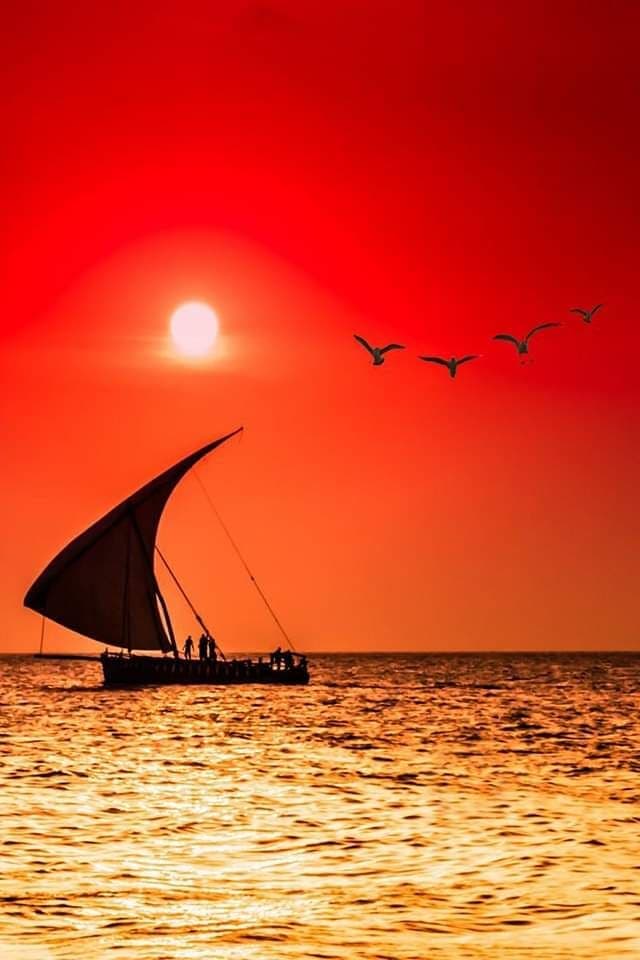
After the dust of a safari or the effort of Kilimanjaro, there's no better reward than Zanzibar. This Indian Ocean archipelago blends barefoot beach luxury with a thousand years of trading history — winding stone alleys, spice farms, dhow sails on the horizon. Here's everything you need to plan it, from where to stay to when to go.
Browse Zanzibar trips →Where everything is
Zanzibar's main island (Unguja) is small enough to cross in a couple of hours, but each coast has a different character. Knowing the lay of the land is the key to choosing where to base yourself.
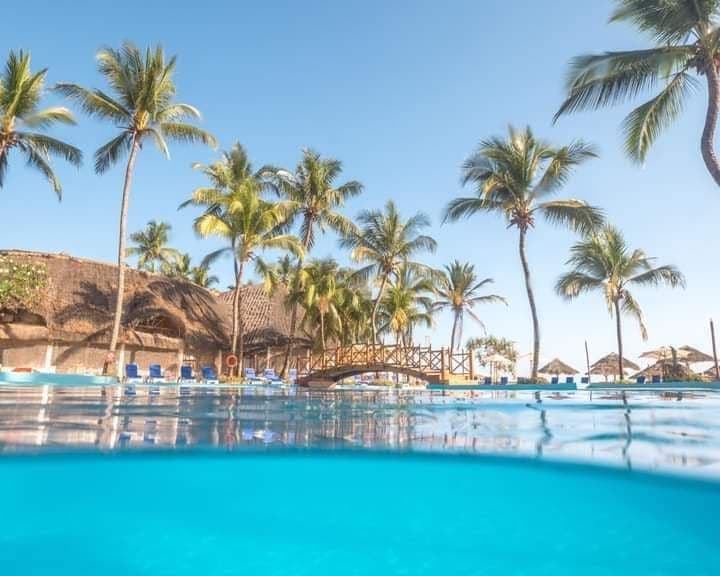
Zanzibar's main island packs a lot into a short drive: powder-white beaches in the north, a kitesurfing lagoon coast in the east, historic Stone Town on the west, and reefs and forest in between. Where you base yourself shapes your whole trip.
Choosing your beach
The north — Nungwi and Kendwa — has the island's best swimming beaches, with deep water at all tides and a lively scene. The east coast (Paje, Jambiani) has dreamy turquoise lagoons and is the kitesurfing capital, though low tide pulls the sea far out. The west holds Stone Town and spectacular sunsets.
| Area | Best for | Note |
|---|---|---|
| Nungwi / Kendwa (N) | Swimming, nightlife, boat trips | Least affected by tides |
| Paje / Jambiani (E) | Kitesurfing, lagoons, calm vibe | Big tidal range |
| Stone Town (W) | History, culture, sunsets | Not a beach base |
| Mnemba area (NE) | Snorkelling & diving | Atoll offshore |
Beyond the beach
Zanzibar rewards curiosity. Wander Stone Town's UNESCO-listed maze of coral-stone houses and carved doors; tour a spice farm to taste cloves, vanilla and nutmeg straight from the tree; snorkel the coral gardens of Mnemba; or meet the rare red colobus monkeys in Jozani Forest. We can add any of these to a beach stay.
Got a question while you read? Ombeni answers personally — usually within a few hours.
Browse Zanzibar trips →When to go
Zanzibar is best in the dry seasons: June to October, and December to February. The long rains (March to May) are the wettest and quietest, with some hotels closing. The island is warm year-round, so it's mainly about avoiding the heaviest rain.
Tip
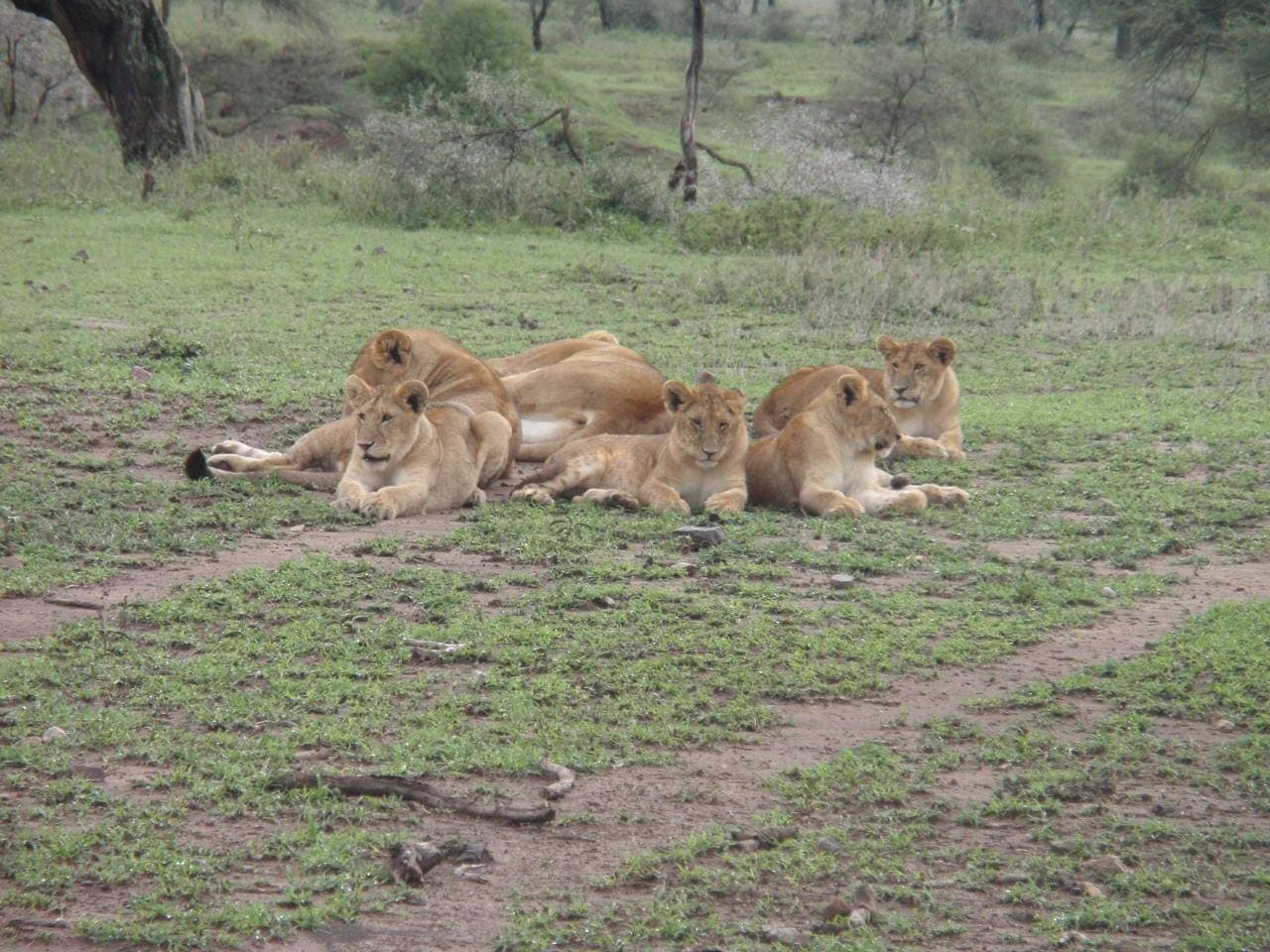
Zanzibar pairs beautifully with a northern safari or a Kilimanjaro climb — bush or mountain first, then unwind on the beach. We build these bush-and-beach trips all the time.
Practical tips
- ›Zanzibar is a semi-autonomous, predominantly Muslim region — dress modestly away from the beach and in Stone Town
- ›A short flight or ferry connects it to the mainland and safari circuit
- ›Tides matter on the east coast — check them if swimming is a priority
- ›The Swahili food, especially fresh seafood, is a highlight in itself
Frequently Asked Questions
Ready to take the next step?
Browse Zanzibar trips →
Written by
Ombeni — Founder & Lead Guide
Ombeni founded Trust Tours & Safaris in Arusha in 2008 and has personally guided hundreds of Kilimanjaro climbs and Tanzania safaris. TALA-licensed Tourism Agent (Class A). More about Ombeni →