The short answer
Your odds of summiting Kilimanjaro depend far more on how many days you spend acclimatising than on your fitness. Rushed 5-day climbs summit only around 50% of the time; 7-day routes rise to roughly 85%, and 8–9 day routes reach 90–95% or higher. Route choice, a slow 'pole pole' pace and an attentive crew do the rest. Below is our honest estimate for every route and duration.
Everyone wants the number: what are my chances of standing on the summit? The honest answer is that it depends almost entirely on choices you control — chiefly how many days you give yourself. This guide gives our estimated success rate for every Kilimanjaro route and duration, explains how we arrive at those figures, and shows what else moves the odds. If you're still choosing a route, pair it with our Kilimanjaro routes comparison.
Compare Kilimanjaro routes by success →Kilimanjaro success rate by route and days
Here's our estimate for each route at each common duration. The single clearest pattern: within any route, adding a day raises your odds — because the extra time is spent acclimatising, which is what actually gets people to the top.
| Route | Days | Est. summit rate |
|---|---|---|
| Marangu | 5 | ~50% |
| Marangu | 6 | ~65% |
| Machame | 6 | ~73% |
| Machame | 7 | 85–93% |
| Lemosho | 7 | ~85% |
| Lemosho | 8 | ~90% |
| Rongai | 6 | ~70% |
| Rongai | 7 | ~80% |
| Umbwe | 6 | ~70% |
| Northern Circuit | 8 | ~90% |
| Northern Circuit | 9 | 95%+ |
Tip
The takeaway in one line: on any route, the longer version summits more often. Read the full route breakdown in our best Kilimanjaro route guide.
Days matter more than anything
The strongest pattern in Kilimanjaro statistics is simple: the more days you spend ascending gradually, the more likely you are to summit. Short five-day climbs sit around 50% or lower; seven-day climbs rise to roughly 85%; eight- and nine-day climbs reach 90–95% or higher. The direction is beyond doubt.
The reason is acclimatisation. Extra days let your body adapt to thin air, which is the thing that actually stops most people — not tired legs. It's why we say the cheapest way to buy a better summit chance is simply booking one more day.
Conceptual, not a quoted statistic: every extra day of gradual ascent gives your body more time to adapt to thin air — which is why longer itineraries reach the summit far more often.
Got a question while you read? Ombeni answers personally — usually within a few hours.
Compare Kilimanjaro routes by success →Why fit people still fail
Altitude doesn't care how fast you can run. Some very fit climbers actually struggle more, because their fitness tempts them to climb too quickly. Going slowly — 'pole pole' — and following a climb-high-sleep-low profile is what protects you.
The trail repeatedly climbs to a high point, then drops to a lower camp to sleep. Each peak nudges your body to adapt; each lower night lets it recover — so the overall trend rises while you acclimatize.
Important
The biggest single mistake that ends climbs is going up too fast — whether by booking too few days or by walking too quickly on the lower slopes. Both are avoidable.
What else moves your odds
- ›Route choice — longer, better-profiled routes summit more often
- ›Pace — disciplined slow walking on the early days
- ›Hydration and eating — even when altitude kills your appetite
- ›An attentive crew — daily health checks catch problems early
- ›Sensible use of altitude medication if your doctor advises it
How we help you summit
We bias every decision toward getting you to the top safely. Every Trust Tours climb runs with experienced, licensed lead guides and a strong guide-to-climber ratio, so no one is left unsupported on summit night. We set a genuinely slow pace, run twice-daily health checks with a pulse oximeter to catch altitude problems early, and carry emergency oxygen and a stretcher on every climb.
Most importantly, we'll tell you the truth about your itinerary. If you've booked too few days, we'll say so — we'd rather talk you into one more day than watch you turn back below the crater rim.
How we estimate these numbers
There is no official, published success rate for Kilimanjaro — the national park doesn't release one, so every figure you see online is an estimate. Ours combine our own climbers' summit outcomes with widely-cited industry ranges, expressed as rounded estimates rather than false precision. They describe healthy climbers on our itineraries with our crew; a rushed climb with a bargain operator will do worse than the same route here.
Route by route, the detail is in our guides to Machame, Lemosho, Marangu and the Northern Circuit — the last of which posts the best odds on the mountain.
We revise these figures as our own records grow, and we'd rather under-promise than inflate a number to win a booking. If a route's odds don't suit your plans, we'll tell you before you book, not after.
Frequently Asked Questions
Ready to take the next step?
Compare Kilimanjaro routes by success →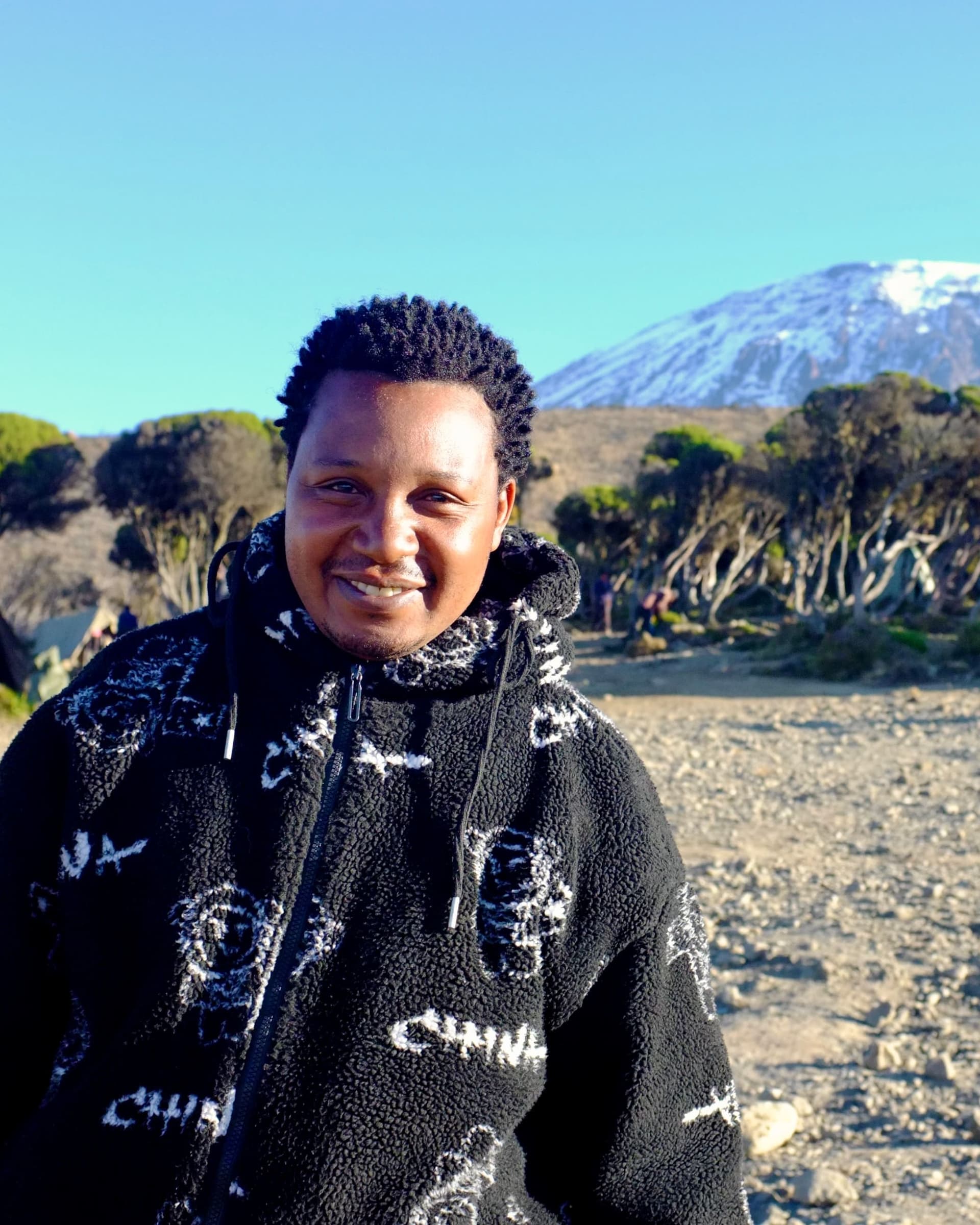
Written by
Ombeni — Founder & Lead Guide
Ombeni founded Trust Tours & Safaris in Arusha in 2008 and has personally guided hundreds of Kilimanjaro climbs and Tanzania safaris. TALA-licensed Tourism Agent (Class A). More about Ombeni →