The short answer
The Machame Route — the 'Whiskey Route' — is the most popular path up Kilimanjaro: a scenic southern approach through rainforest, the famous Barranco Wall, and a strong 'climb high, sleep low' profile. Climb it over seven days, not six: the extra acclimatisation day lifts the estimated summit rate to around 85–93%, versus roughly 73% on the rushed six-day version. Our 7-day Machame climb starts from $2,300 per person in a group of eight, and is $2,700 each for a pair.
If you picture a classic Kilimanjaro climb, you're probably picturing Machame. Nicknamed the 'Whiskey Route' for its bolder character, it's the most-trekked path on the mountain — and our most-booked climb — thanks to gorgeous scenery, a sociable trail and an acclimatisation profile that gets a lot of people to the top. This guide walks the route day by day, compares the six- and seven-day versions, and gives you the honest success rate and cost. If you're still weighing routes, start with our Kilimanjaro routes comparison.
View the 7-Day Machame climb →Why Machame is so popular
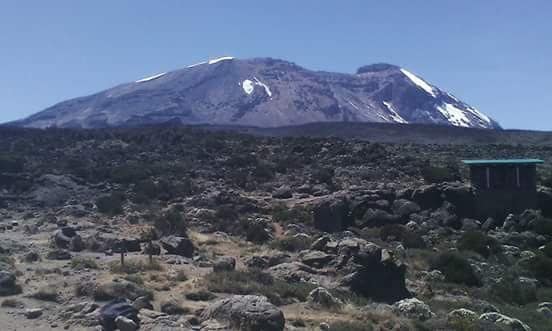
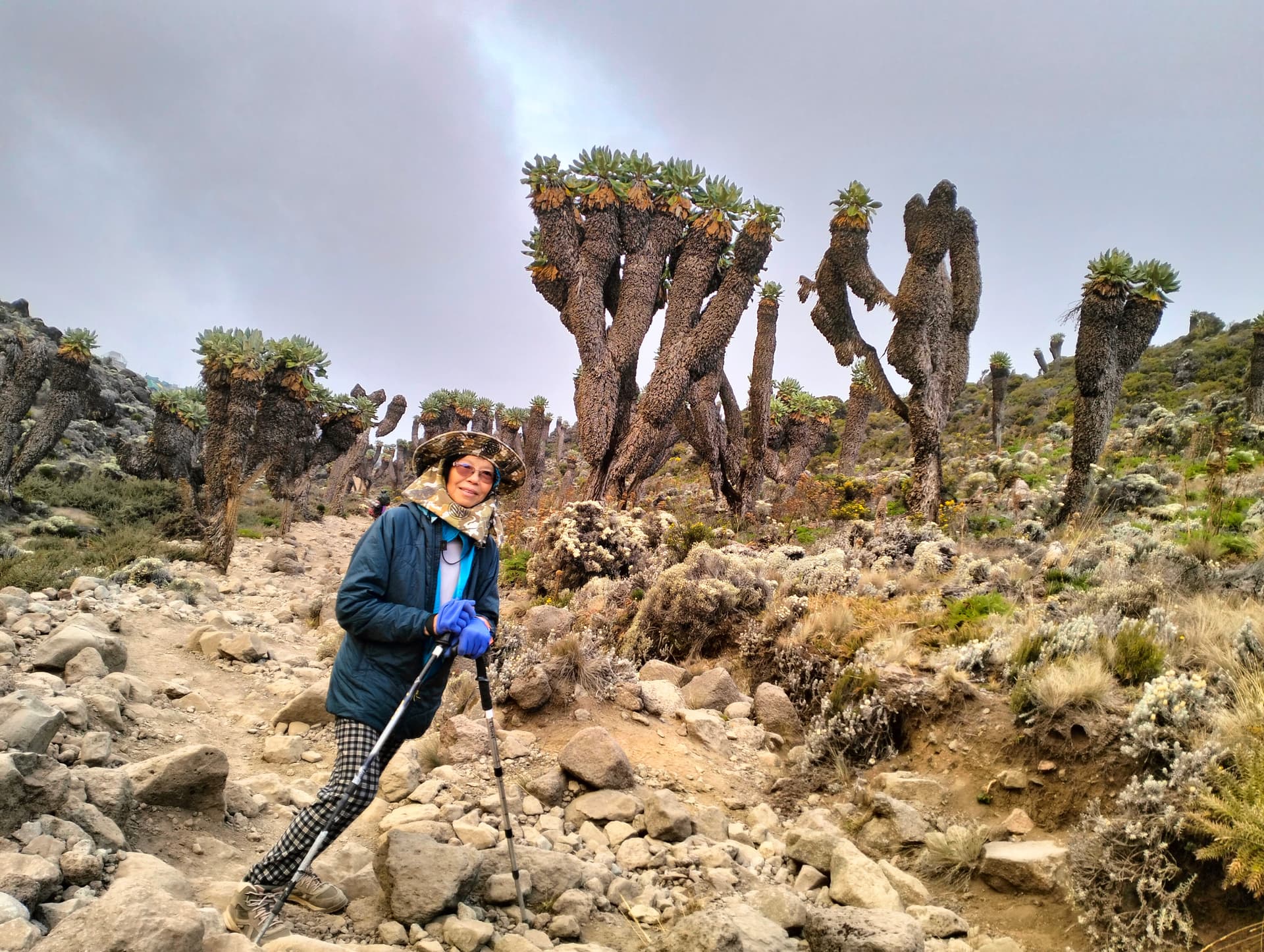
Machame earns its popularity. It approaches from the lush south, climbing through dense rainforest before opening onto the Shira Plateau and the high alpine desert beneath Kibo. The scenery is varied and dramatic — including the famous Barranco Wall, a fun, non-technical scramble that's a highlight for many climbers.
Just as important, its profile naturally follows 'climb high, sleep low', which is exactly what your body needs to acclimatise. On day three you climb to Lava Tower at around 4,600 m and then descend to sleep more than 600 m lower at Barranco — the textbook acclimatisation move that Machame builds in by design.
The trail repeatedly climbs to a high point, then drops to a lower camp to sleep. Each peak nudges your body to adapt; each lower night lets it recover — so the overall trend rises while you acclimatize.
6-day vs 7-day Machame: why the extra day matters
Machame can be climbed in six or seven days, and the difference is bigger than it looks. The seven-day version adds an extra night at Karanga Camp — a genuine acclimatisation day before summit night — while the six-day version pushes straight through. That one day noticeably improves both your odds and your enjoyment.
| Version | Days on mountain | Extra acclimatisation day | Est. summit rate |
|---|---|---|---|
| 6-day Machame | 6 | No | ~73% |
| 7-day Machame | 7 | Yes — night at Karanga | 85–93% |
Tip
Choose the 7-day Machame over the 6-day. That single extra acclimatisation day is one of the cheapest, most effective ways to boost your summit chances — see the numbers in our Kilimanjaro success rate guide.
The Machame route, day by day (7 days)
Here's the full seven-day itinerary we run, with approximate sleeping altitudes. Notice day three: you climb high to Lava Tower and drop back down to sleep — the acclimatisation engine of the whole route.
| Day | Route | Sleep altitude |
|---|---|---|
| 1 | Machame Gate → Machame Camp | 2,835 m |
| 2 | Machame Camp → Shira Cave Camp | 3,750 m |
| 3 | Shira → Lava Tower (4,600 m) → Barranco | 3,960 m |
| 4 | Barranco Wall → Karanga Camp | 3,995 m |
| 5 | Karanga → Barafu Base Camp | 4,673 m |
| 6 | Summit — Uhuru Peak (5,895 m) → Mweka | 3,068 m |
| 7 | Mweka Camp → Mweka Gate | Finish |
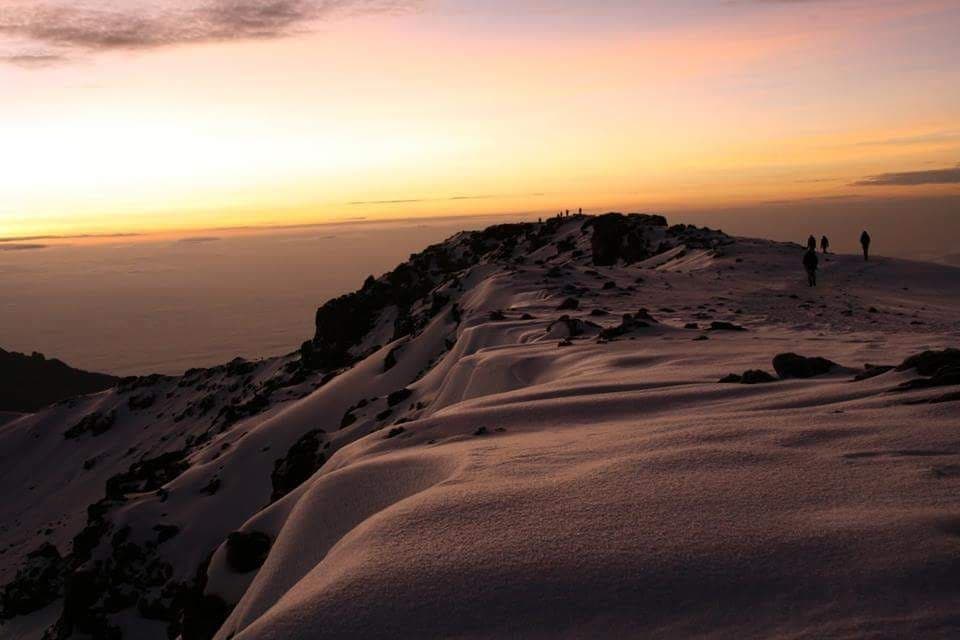
- ≈ 23:30 — Leave Barafu Camp4,673 m
- Pre-dawn — Switchbacks by headtorch5,000+ m
- Sunrise — Stella Point on the crater rim5,756 m
- Morning — Uhuru Peak — the summit5,895 m
- Midday — Long descent to a lower camp↓ 3,100 m
You set off around midnight so you reach the crater rim for sunrise. It's the hardest stretch of the whole climb — cold, dark and slow — which is exactly why the extra acclimatization days matter.
Got a question while you read? Ombeni answers personally — usually within a few hours.
View the 7-Day Machame climb →What the Machame route costs
Our 7-day Machame climb is $2,700 per person for a pair, falling to $2,300 in a group of eight — and $3,233 if you climb alone with your own private crew. That's all-inclusive of park and rescue fees, licensed guides, a full porter and cook crew, tents and mess gear, meals on the mountain, and airport transfers. It's not the cheapest quote you'll find online — and that's the point.
A Kilimanjaro climb priced far below this usually cuts corners you can't see: underpaid porters, thin safety margins, fewer guides. For an honest, itemised breakdown of where the money actually goes — park fees, crew wages, food — read our guide to what it really costs to climb Kilimanjaro.
Who the Machame route suits
If you'd prefer quieter trails with even better acclimatisation, look at the Lemosho route or the Northern Circuit instead. If you want huts rather than tents, consider Marangu.
- ›First-time climbers wanting the classic Kilimanjaro experience
- ›Trekkers who value varied scenery and a lively, sociable trail
- ›Anyone comfortable sleeping in tents (Machame is camping-only)
- ›Reasonably fit hikers happy to share a popular route rather than seek solitude
Climbing Machame as a group
Travelling solo or on a budget? You don't have to book a private climb. We run fixed-date group Kilimanjaro departures on the Machame route, which share the crew cost across the group and bring the per-person price down — with the same guides, safety standards and twice-daily health checks as our private climbs.
Frequently Asked Questions
Ready to take the next step?
View the 7-Day Machame climb →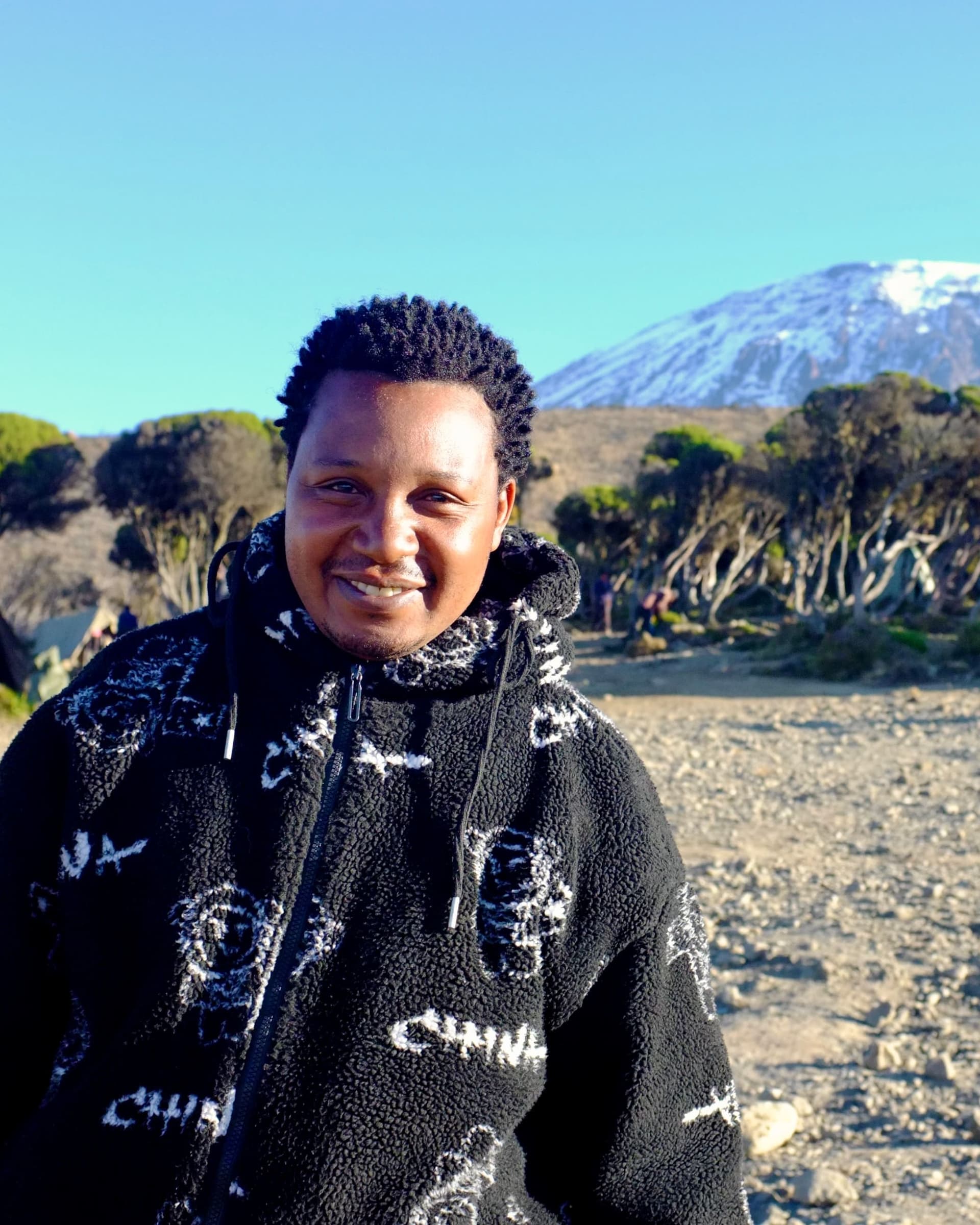
Written by
Ombeni — Founder & Lead Guide
Ombeni founded Trust Tours & Safaris in Arusha in 2008 and has personally guided hundreds of Kilimanjaro climbs and Tanzania safaris. TALA-licensed Tourism Agent (Class A). More about Ombeni →