The short answer
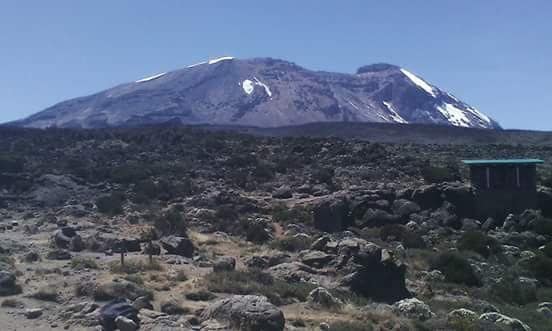
The Lemosho Route approaches Kilimanjaro from the remote west, starting quietly before joining the Machame trail higher up. Over eight days it offers excellent acclimatisation — an estimated ~90% summit rate — the finest scenery on the mountain, and fewer crowds early on. It's our top pick for travellers who want the best balance of summit success and beauty. Our 8-day Lemosho climb starts from $2,620 per person in a group of eight, and is $3,050 each for a pair.
If we had to recommend one route to a first-time climber with a little time and budget, it would often be Lemosho. It takes the best of Machame's scenery and acclimatisation profile, but starts on the wild, quiet western side of the mountain — so your first days are peaceful before the trails converge higher up. This guide covers the route day by day, its honest success rate and cost, and how it compares to the classic. Weighing it against Machame? See our Machame vs Lemosho comparison.
View the 8-Day Lemosho climb →A quieter, wilder start
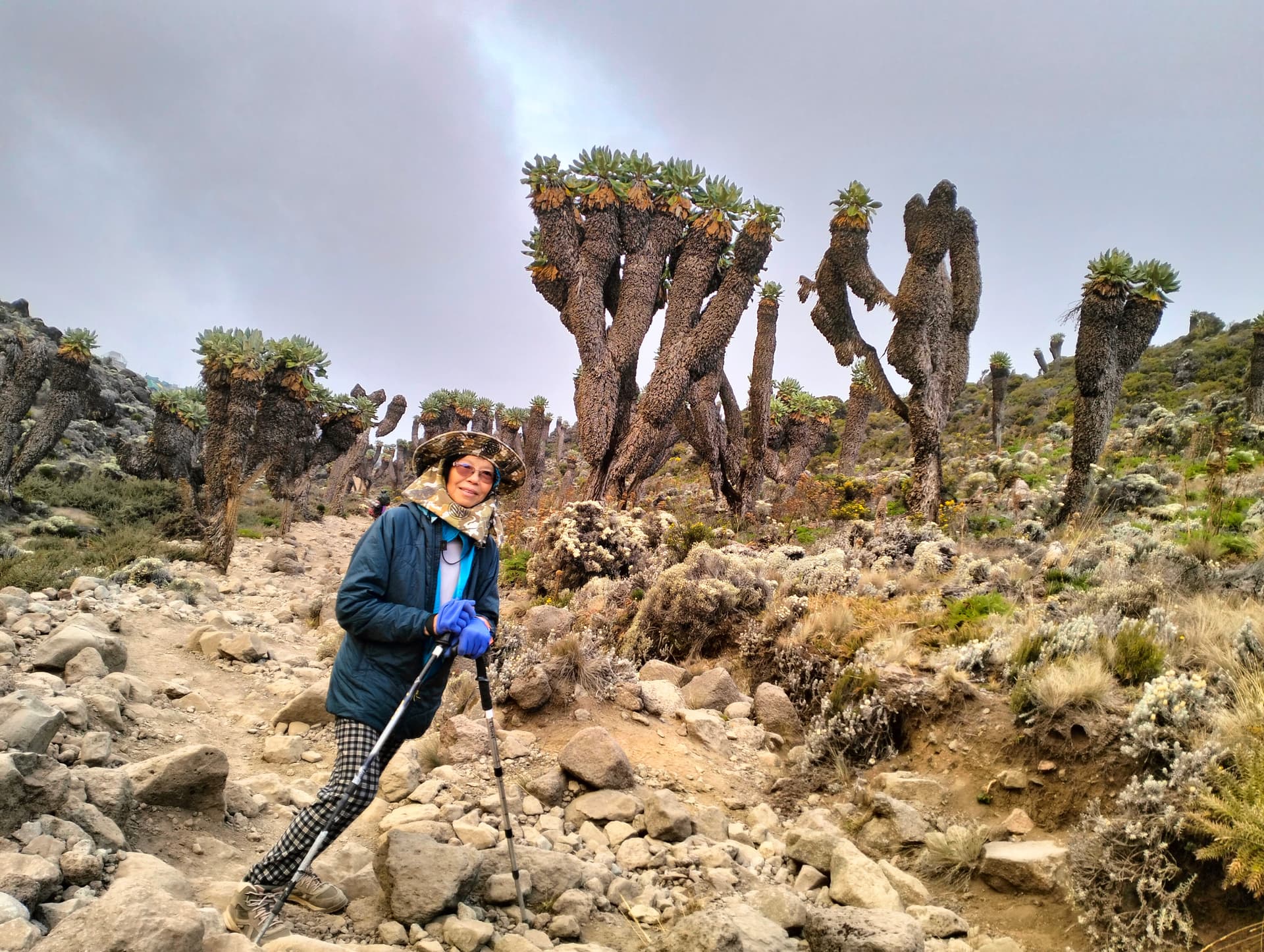
Lemosho begins on the remote western flank at Londorossi Gate, crossing the Shira Plateau with a real sense of wilderness and often wildlife in the lower forest. Because fewer operators start here, your first days are noticeably quieter than on Machame — before the two routes merge for the southern traverse and summit approach.
Hut route · there-and-back
Scenic · climb-high-sleep-low
Excellent acclimatization
Longest · highest success
More days on the mountain means a gentler, more gradual ascent profile — the single biggest driver of acclimatization and summit success.
Excellent acclimatisation
Spread over eight days, Lemosho gives your body more time and a textbook climb-high-sleep-low profile — including the Lava Tower and Barranco sequence, where you climb to around 4,600 m and drop back down to sleep. That's why it posts some of the best success rates on the mountain outside the Northern Circuit: we estimate around 90% on the 8-day version.
The trail repeatedly climbs to a high point, then drops to a lower camp to sleep. Each peak nudges your body to adapt; each lower night lets it recover — so the overall trend rises while you acclimatize.
Tip
The 8-day Lemosho is the version we recommend — the extra day over a 7-day itinerary pushes acclimatisation and success rates higher still. See the numbers in our Kilimanjaro success rate guide.
The Lemosho route, day by day (8 days)
Here's the full eight-day itinerary we run, with approximate sleeping altitudes. Day four is the acclimatisation engine — climb high to Lava Tower, sleep lower at Barranco.
| Day | Route | Sleep altitude |
|---|---|---|
| 1 | Londorossi Gate → Mti Mkubwa (Big Tree) | 2,780 m |
| 2 | Mti Mkubwa → Shira 1 Camp | 3,505 m |
| 3 | Shira 1 → Shira 2 Camp | 3,900 m |
| 4 | Shira 2 → Lava Tower (4,600 m) → Barranco | 3,960 m |
| 5 | Barranco Wall → Karanga Camp | 3,995 m |
| 6 | Karanga → Barafu Base Camp | 4,673 m |
| 7 | Summit — Uhuru Peak (5,895 m) → Mweka | 3,068 m |
| 8 | Mweka Camp → Mweka Gate → Arusha | Finish |
- ≈ 23:30 — Leave Barafu Camp4,673 m
- Pre-dawn — Switchbacks by headtorch5,000+ m
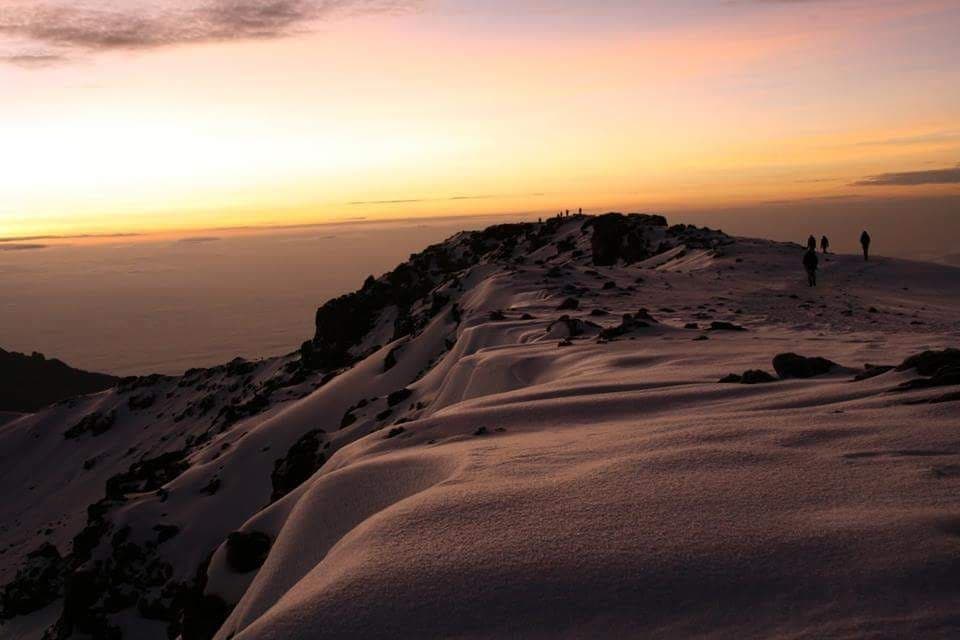
- Sunrise — Stella Point on the crater rim5,756 m
- Morning — Uhuru Peak — the summit5,895 m
- Midday — Long descent to a lower camp↓ 3,100 m
You set off around midnight so you reach the crater rim for sunrise. It's the hardest stretch of the whole climb — cold, dark and slow — which is exactly why the extra acclimatization days matter.
Got a question while you read? Ombeni answers personally — usually within a few hours.
View the 8-Day Lemosho climb →What the Lemosho route costs
Our 8-day Lemosho climb is $3,050 per person for a pair, falling to $2,620 in a group of eight. That's all-inclusive of park and rescue fees, licensed guides, a full porter and cook crew, tents and mess gear, meals on the mountain, and airport transfers — roughly $350 more than our 7-day Machame, for the extra day and the quieter western approach.
As always, be wary of quotes far below this: the cheapest climbs cut corners on crew welfare and safety you can't see in the price. For the honest, itemised breakdown, read what it really costs to climb Kilimanjaro.
The scenery payoff
Many guides quietly consider Lemosho the most beautiful route on Kilimanjaro: remote moorland, sweeping plateau views, dramatic ridgelines and the same iconic Barranco Wall as Machame. You get the highlights of the classic route, plus solitude on the approach.
Who it suits
Short on days or want the busier, classic experience? The 7-day Machame route is the natural alternative — and our Machame vs Lemosho guide settles the choice.
- ›Travellers who want the best balance of success, scenery and quiet
- ›First-timers who can spare eight days
- ›Photographers and anyone prioritising landscape
- ›Climbers happy with tents (Lemosho is camping-only)
Frequently Asked Questions
Ready to take the next step?
View the 8-Day Lemosho climb →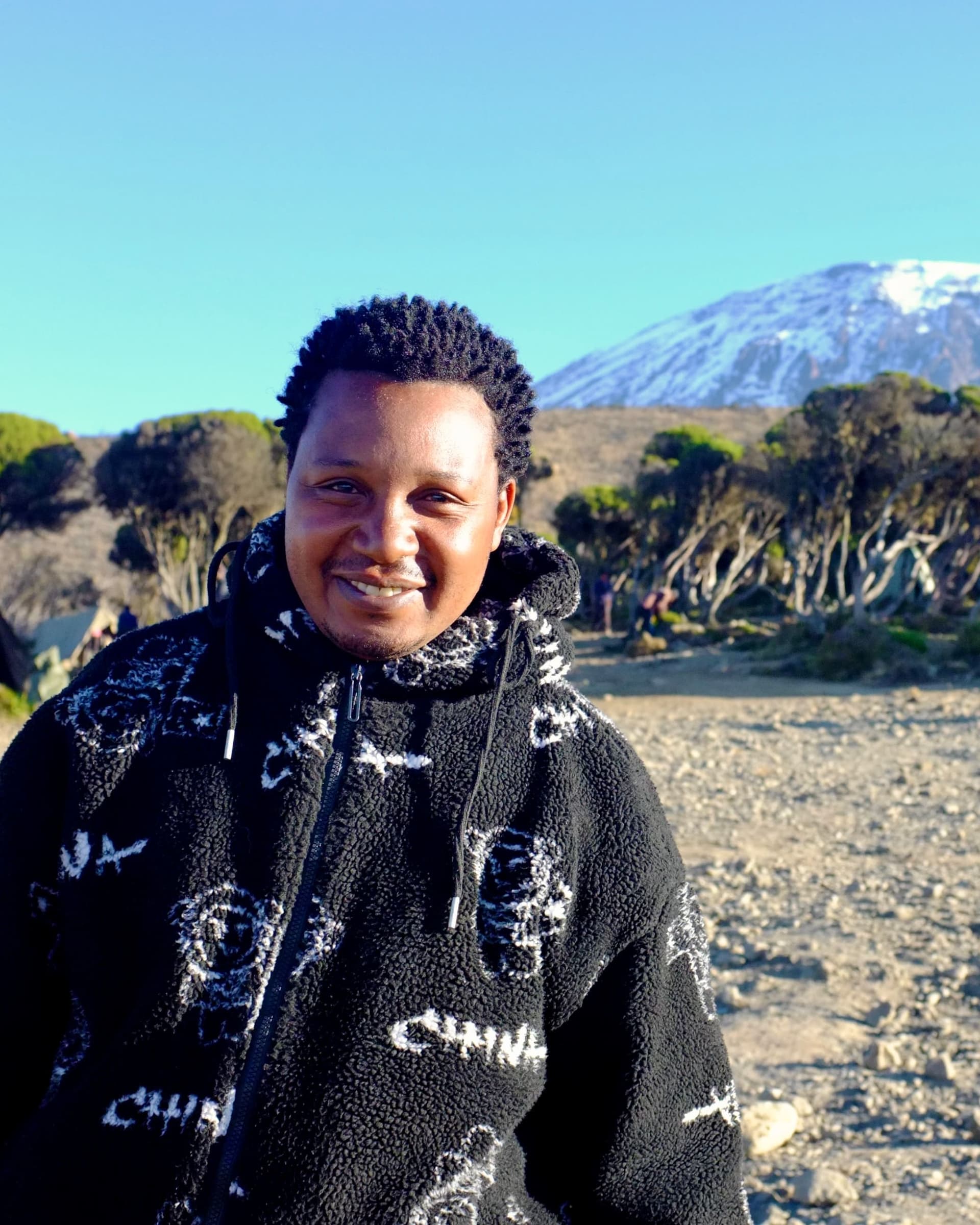
Written by
Ombeni — Founder & Lead Guide
Ombeni founded Trust Tours & Safaris in Arusha in 2008 and has personally guided hundreds of Kilimanjaro climbs and Tanzania safaris. TALA-licensed Tourism Agent (Class A). More about Ombeni →