The short answer
Comprehensive travel insurance is essential for Tanzania. Safari travellers need confirmed emergency medical evacuation cover for remote areas; Kilimanjaro climbers need cover explicitly rated for high-altitude trekking to around 6,000 m; and anyone visiting Zanzibar must also buy Zanzibar's Mandatory Inbound Travel Insurance (USD 22–44 per person) on top of their own policy — it doesn't replace it.
Travel insurance is the easy-to-overlook essential you really don't want to skip for Tanzania — and depending on your itinerary, there's more than one thing to check. Here's what good cover looks like for a safari, for Kilimanjaro, and for Zanzibar, including the one insurance requirement that regularly catches travellers out.
Find your Tanzania trip →Why you need it
Tanzania's best destinations are remote by design. A safari can take you deep into the Serengeti, Tarangire or the Ngorongoro Conservation Area, well away from major hospitals; a Kilimanjaro climb takes you to altitude; Zanzibar is an island. Good insurance protects you against the things that can go wrong far from home: medical treatment, emergency evacuation, trip cancellation or interruption, and lost baggage.
Exact cover always depends on the insurer, the policy, its limits and its exclusions — never assume a standard policy covers every activity on your itinerary. Choose insurance that matches what you're actually doing, not a generic city-break policy.
What good Tanzania travel insurance covers
When comparing policies, look past the headline price and check these specifically:
- ›Emergency medical expenses — and the maximum amount covered
- ›Emergency evacuation from remote areas, and any conditions that apply
- ›Repatriation home if medically necessary
- ›Trip cancellation and interruption, and which reasons are covered
- ›Lost, stolen or delayed baggage, including cameras and other equipment
- ›Personal liability
- ›Your specific activities — safari game drives, trekking, diving, etc.
Safari insurance: what to ask your insurer
A safari itinerary often includes several national parks, long transfers, domestic flights and remote camps. Before you book, ask your insurer directly:
"Does my policy cover emergency medical treatment and evacuation while travelling in remote safari areas of Tanzania?"
Tip
Also check for exclusions around wildlife activities, off-road travel, remote-area travel, pre-existing conditions and unattended belongings — these are common sticking points on safari claims.
Got a question while you read? Ombeni answers personally — usually within a few hours.
Find your Tanzania trip →Medical evacuation: the cover that matters most
The most important distinction in any Tanzania policy is between ordinary medical treatment and emergency evacuation. In a city, reaching a hospital is straightforward. On safari, you could be several hours from the nearest major facility.
Depending on the policy, evacuation may cover transport to an appropriate medical facility when medically necessary, sometimes followed by repatriation home — but limits and authorisation procedures vary, and serious cases often need the insurer's emergency-assistance service to approve evacuation first.
Tip
Save your insurer's emergency-assistance phone number somewhere you can find it without signal or a working phone — written down, not only saved in an app.
The Kilimanjaro catch: altitude cover
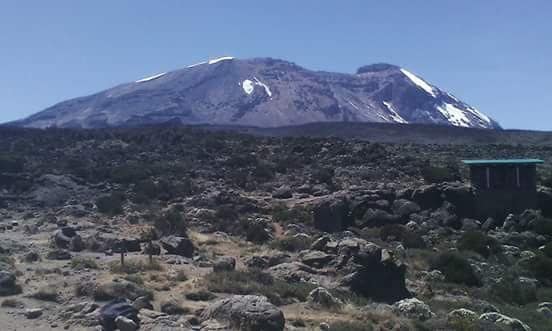
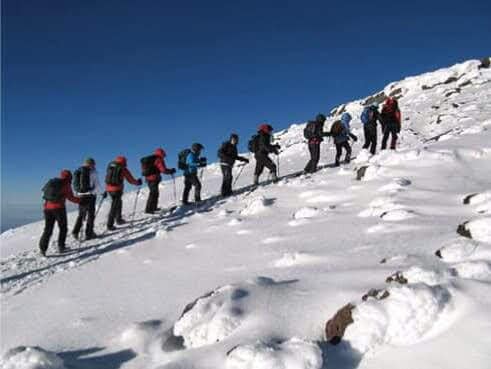
This is the one that trips people up. Kilimanjaro reaches 5,895 m (19,341 ft), and many standard travel policies exclude trekking above a set altitude — sometimes well below the summit. A policy that doesn't explicitly cover high-altitude trekking is effectively useless if something happens up high.
Before booking your climb, ask your insurer:
- ›What maximum altitude is covered?
- ›Is high-altitude trekking included, and is emergency mountain evacuation included?
- ›Are altitude-related medical conditions covered?
- ›Is trip cancellation covered if I'm medically unable to climb?
- ›Does the policy cover my whole trip if I'm combining Kilimanjaro with a safari or Zanzibar?
Important
Get it in writing: confirm your policy covers trekking to Kilimanjaro's summit height and mountain evacuation before you fly. Don't assume a standard policy does — many don't.
Zanzibar's mandatory inbound insurance
If Zanzibar is part of your trip, there's a requirement that applies regardless of what travel insurance you already hold: foreign visitors entering Zanzibar must have Zanzibar's Mandatory Inbound Travel Insurance, issued by the Zanzibar Insurance Corporation — even if you already carry comprehensive international cover.
Treat your insurance as two separate things: your own comprehensive travel policy, plus Zanzibar's mandatory inbound insurance. One does not substitute for the other.
| Traveller | Price |
|---|---|
| Adult | USD 44 |
| Child | USD 22 |
| SADC & EAC nationals | USD 22 |
Important
Buy it only through the official Zanzibar Insurance Corporation portal — it specifically warns against third-party resellers. Save a digital copy of your confirmation on your phone, with a printed backup in your travel documents.
Do you still need your own insurance if you have Zanzibar's cover?
Yes. The mandatory policy is an entry requirement, not a substitute for comprehensive cover — it's described as protection against medical emergencies, evacuation and baggage-related losses, but travellers shouldn't assume it matches the breadth of a full international policy. Your own insurance is what you'd rely on for cancellation before departure, higher medical limits, broader evacuation and repatriation cover, and protection for the rest of your trip beyond Zanzibar.
Trip cancellation
A Tanzania trip is often booked months ahead — flights, safari deposits, lodges, Kilimanjaro arrangements and Zanzibar accommodation can all involve non-refundable costs. Read the cancellation section of any policy before you buy it, not after you need to claim: check which reasons are covered, when cancellation protection begins, and whether there's a time limit for buying the policy after your first trip payment.
Families and honeymoons
Family trips need the same checks for every traveller, not just the lead booker — ages, medical limits, pre-existing conditions and cancellation protection can all vary by person. Honeymoons often involve higher prepaid costs — private vehicles, luxury lodges, hot-air balloon flights, Zanzibar resorts — so cancellation and interruption cover deserve particular attention. Make sure your policy's limits reflect the actual value of the trip.
What's usually excluded
Every policy is different, but exclusions commonly relate to:
- ›Pre-existing medical conditions not declared to the insurer
- ›Certain high-risk or adventure activities
- ›Failure to follow safety requirements or guide instructions
- ›Alcohol-related incidents
- ›Unattended belongings
- ›Certain natural or political events
- ›Pregnancy-related circumstances
- ›Scheduled or preventative medical treatment
Good to know
Read the actual policy wording rather than relying on the marketing summary — exclusions are where claims most often fail.
Your pre-departure checklist
- ›Comprehensive travel insurance purchased and certificate saved
- ›Emergency-assistance phone number saved and written down
- ›Medical cover limit, evacuation and repatriation checked
- ›Cancellation and trip-interruption protection checked
- ›Baggage protection checked
- ›Pre-existing conditions declared
- ›Safari activities checked, and Kilimanjaro altitude cover confirmed if climbing
- ›Zanzibar mandatory insurance arranged, if visiting
- ›Copies of all documents saved online and offline
If something goes wrong during your trip
Your safety comes first — contact local emergency assistance immediately, and your Trust Tours guide can help with the practical coordination around your safari or climb. Contact your insurer's emergency-assistance team as soon as reasonably possible, especially if your policy requires prior authorisation for treatment or evacuation. Keep every piece of documentation: medical reports, receipts, hospital invoices, airline and baggage reports, police reports where relevant, and all correspondence with your insurer.
Frequently Asked Questions
Ready to take the next step?
Find your Tanzania trip →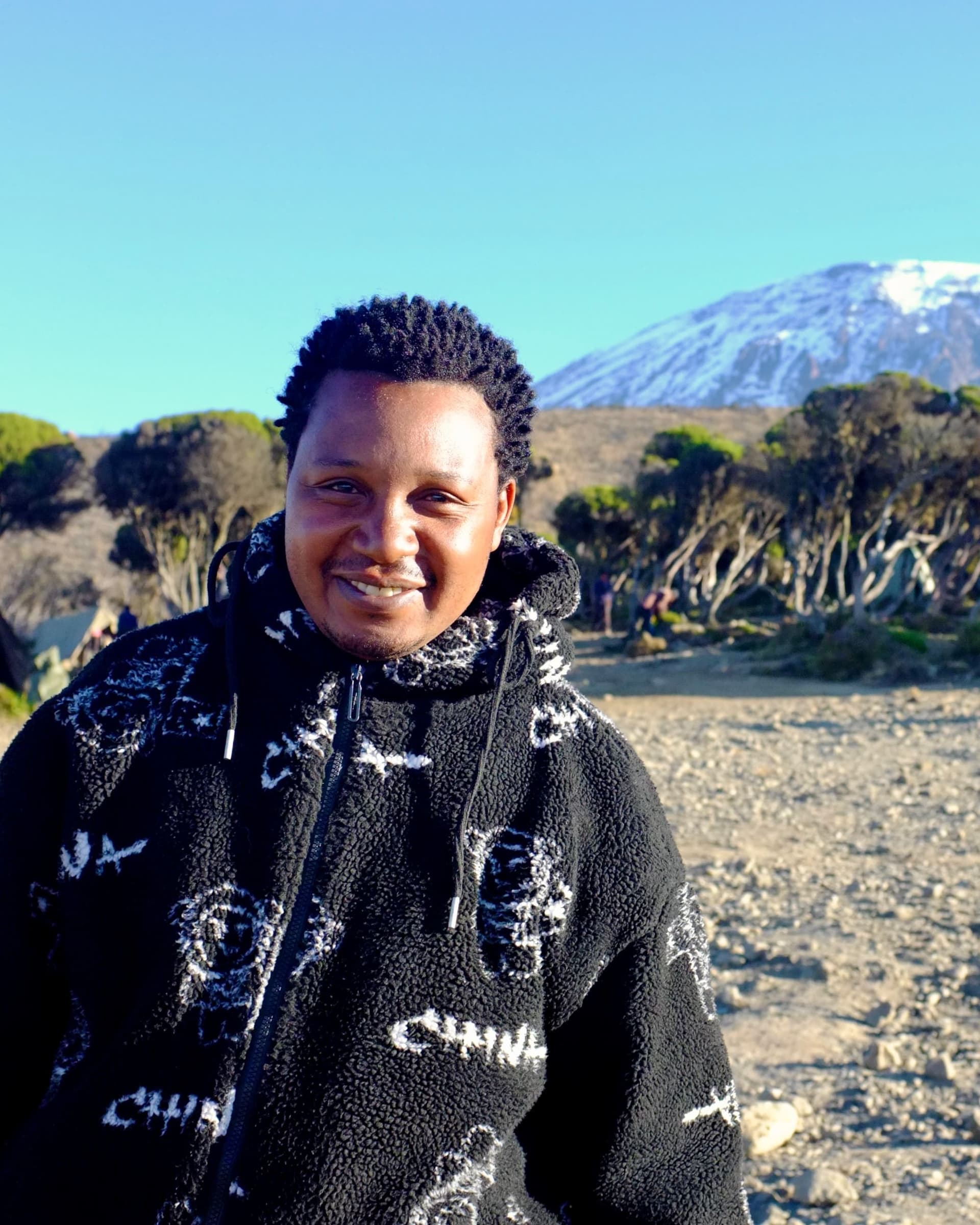
Written by
Ombeni — Founder & Lead Guide
Ombeni founded Trust Tours & Safaris in Arusha in 2008 and has personally guided hundreds of Kilimanjaro climbs and Tanzania safaris. TALA-licensed Tourism Agent (Class A). More about Ombeni →