The short answer
Altitude sickness affects 50–75% of Kilimanjaro climbers, but it's usually mild. A longer route, a slow 'pole pole' pace, 3–4 litres of water a day and guides with daily oxygen checks keep the vast majority summiting safely.
At 5,895 m, Kilimanjaro is high enough that altitude sickness affects many climbers regardless of fitness or experience. The good news: with a slow ascent, good guiding and the right precautions, the vast majority of trekkers summit safely. Here's what to know.
See Kilimanjaro routes →How common is it?
Around 50–75% of climbers experience some form of altitude sickness — usually mild (a headache or nausea). The primary cause is ascending too quickly without enough time to acclimatize. Individual susceptibility, hydration and pacing all play a part.
The three types to know
- ›Acute Mountain Sickness (AMS) — the common, mild form: headache, nausea, dizziness, fatigue, breathlessness
- ›High Altitude Pulmonary Edema (HAPE) — fluid in the lungs, causing breathing difficulty and chest congestion (serious)
- ›High Altitude Cerebral Edema (HACE) — fluid on the brain, causing confusion and loss of coordination (life-threatening)
How we reduce the risk
- ›Slow ascent and longer routes that build in acclimatization time
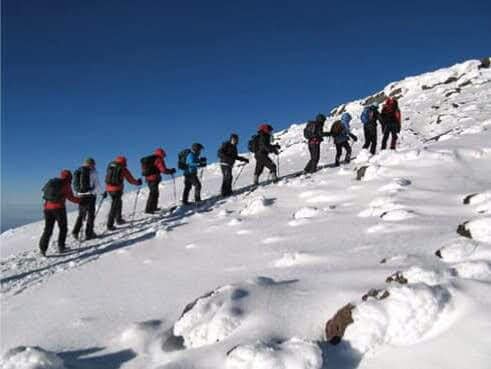
- ›'Pole pole' (go slowly) pacing, with rest days on routes like Lemosho and Machame
- ›'Climb high, sleep low' days to help your body adjust
- ›Plenty of water — 3–4 litres a day to avoid dehydration
- ›Daily pulse-oximeter checks and guides trained to spot early symptoms
- ›Emergency oxygen carried for the rare serious case
What to do if you feel symptoms
Mild headaches and slight nausea are common and usually ease with rest, hydration and a slower pace — tell your guide so they can monitor you. If symptoms worsen (confusion, severe breathlessness), the only reliable treatment is to descend immediately, and your guide will arrange a safe descent.
Many trekkers also take acetazolamide (Diamox) as a preventive — discuss this with your doctor before the trip.
Frequently Asked Questions
Ready to take the next step?
See Kilimanjaro routes →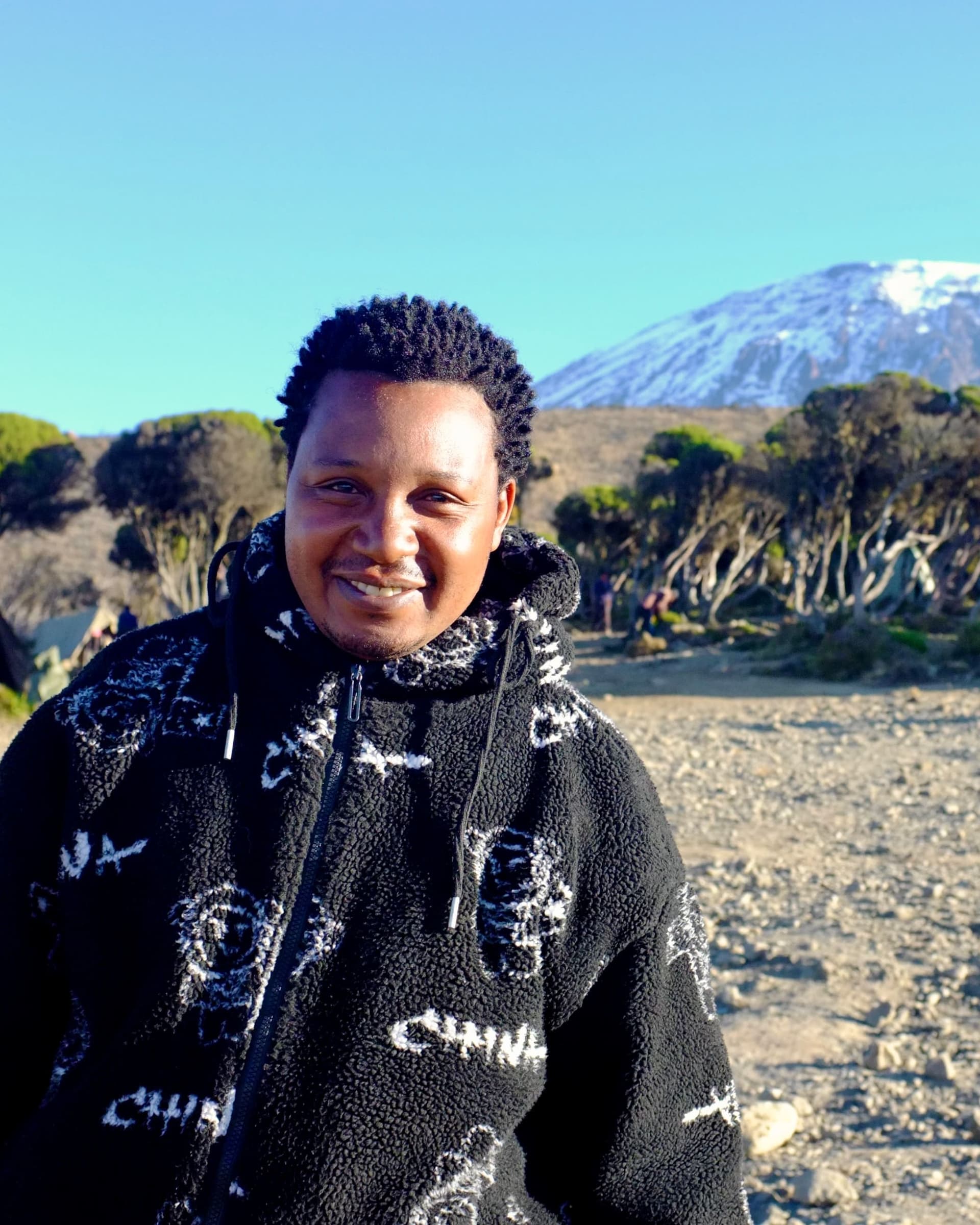
Written by
Ombeni — Founder & Lead Guide
Ombeni founded Trust Tours & Safaris in Arusha in 2008 and has personally guided hundreds of Kilimanjaro climbs and Tanzania safaris. TALA-licensed Tourism Agent (Class A). More about Ombeni →