The short answer
Climbing Kilimanjaro takes 5 to 9 days. The longer routes (7–9 days) reach the summit far more often because they give your body time to acclimatize to the altitude — the single biggest factor in success.
It takes five to nine days to reach Uhuru Peak and descend again. The single biggest factor in whether you summit isn't fitness — it's how many days you give your body to acclimatize to the thin air. Here's how the routes compare and why we almost always recommend going longer.
Compare all Kilimanjaro routes →The short answer
Kilimanjaro is a 'walk-up' mountain — there's no technical climbing. How long it takes is dictated by acclimatization: the more days you spend gaining altitude slowly, the better your chances of standing on the Roof of Africa.
Trekkers who do the mountain in 5 days have the lowest success rate. Those who take 8 or 9 days have a far better chance of summiting and a more enjoyable, less exhausting climb.
Why acclimatization is everything
The main reason climbers fail to summit is simply that they haven't acclimatized. Going slowly — 'pole pole' as the guides say — lets your body adapt to the lack of oxygen. Controlling the rate of ascent is the most effective way to prevent altitude illness.
Fitness helps you enjoy the trek and reduces fatigue, but it does not protect you from altitude sickness. Older estimates put 5-day success around 27% versus roughly 85% for 8-day climbs — a stark illustration of why extra days matter.
How long each route takes
Each of the seven established routes runs to a different length, and the number of days is largely fixed by the shape of the mountain on that side. Our full route comparison goes into the detail; here is the short version.
- ›Marangu Route — 5–6 days (the only hut route; we recommend the 6-day version)
- ›Umbwe Route — 6 days (steep and direct)
- ›Rongai Route — 6–7 days (quiet, approaches from the north)
- ›Machame Route — 6–7 days (scenic and popular; 7 days recommended)
- ›Lemosho Route — 7–9 days (excellent acclimatization)
- ›Northern Circuit — 8–9 days (longest route, highest success rate)
Is a 5–6 day climb worth the risk?
You can climb Kilimanjaro in 5 or 6 days, and people choose shorter climbs to save money, time, or days of hiking. But a rushed ascent raises the chance of altitude sickness, fatigue and turning back — sometimes on day 3, after you've already paid for the whole trip.
A shorter climb only really makes sense if you've recently been at high altitude — climbing Mount Meru first is the classic way to buy yourself that pre-acclimatisation — or you're an experienced high-altitude climber confident in how your body adjusts.
How long does the descent take?
Descending from Uhuru Peak to the finish gate takes about two days — typically a long summit-day descent to a final camp, then 4–6 hours down the next morning depending on the route.
Once you have settled on a length, the next question is usually price, since every extra day adds park fees and crew wages — see what it costs to climb Kilimanjaro, or browse all our Kilimanjaro climbs by duration.
Frequently Asked Questions
Ready to take the next step?
Compare all Kilimanjaro routes →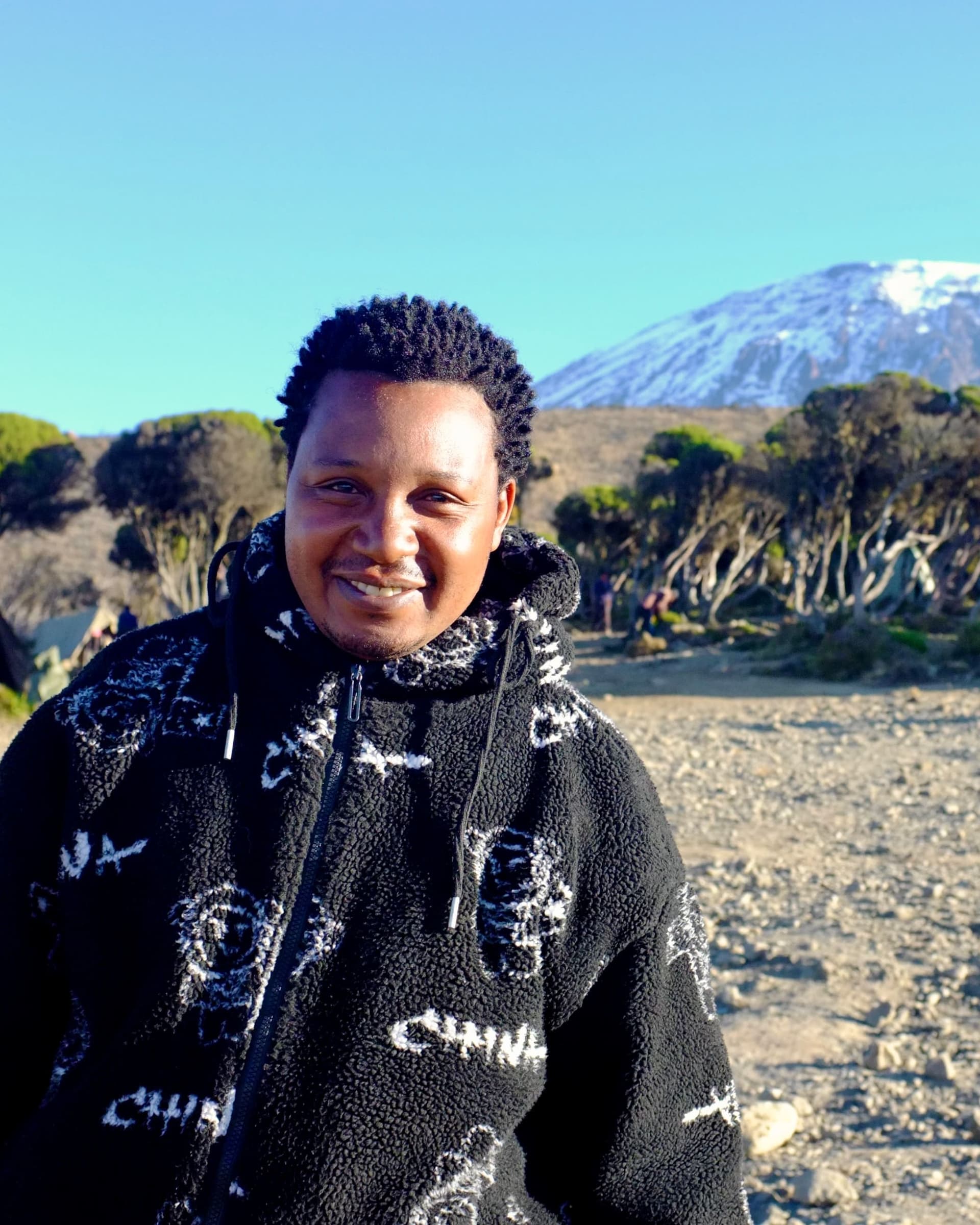
Written by
Ombeni — Founder & Lead Guide
Ombeni founded Trust Tours & Safaris in Arusha in 2008 and has personally guided hundreds of Kilimanjaro climbs and Tanzania safaris. TALA-licensed Tourism Agent (Class A). More about Ombeni →