
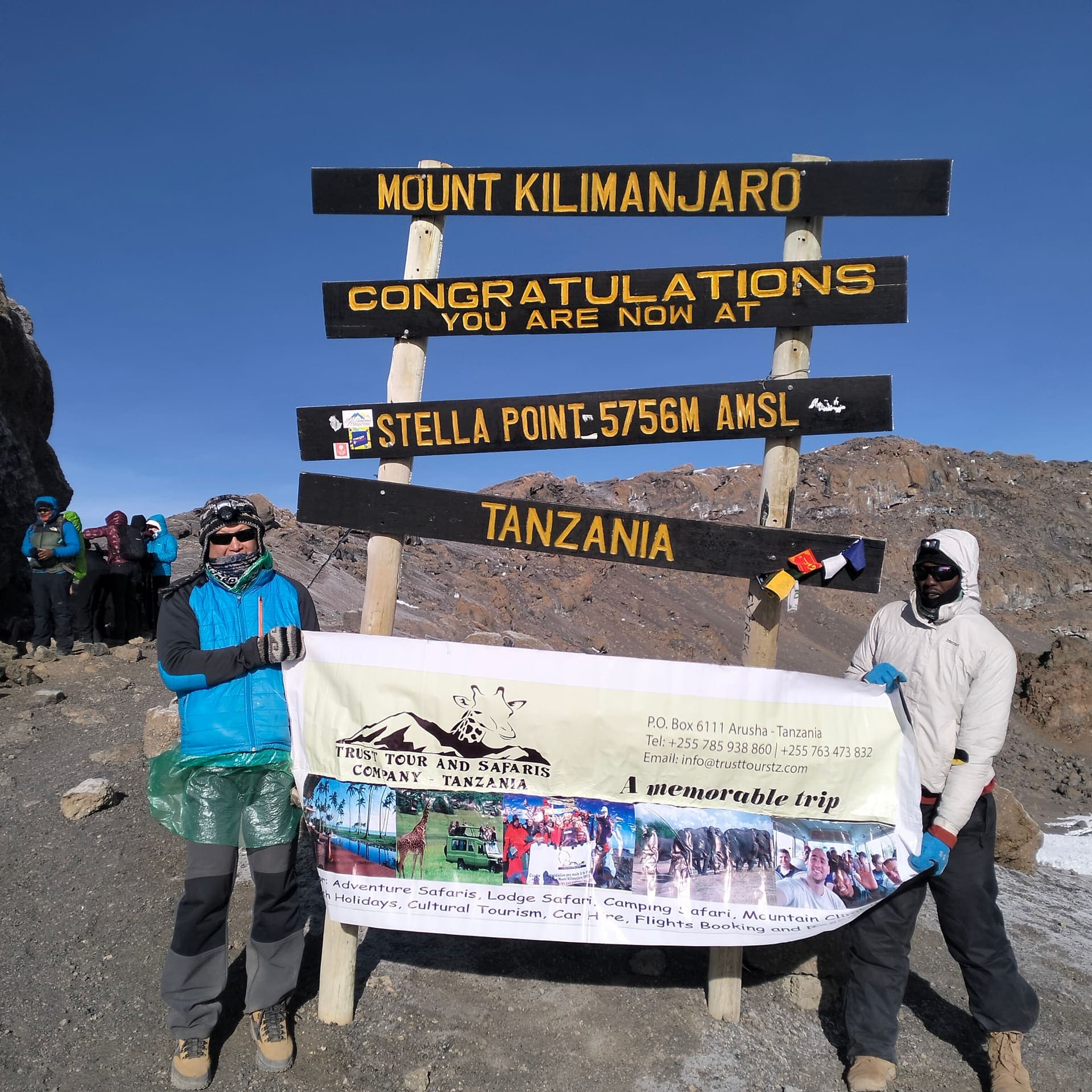
6-Day Climb · mid-range
6-Day Kilimanjaro Climb – Umbwe Route
Price for 1 person
$3,250
per person
Less in a group: $1,990 each for 8+ climbers. See every group size
Discover one of the most demanding and dramatic approaches to the summit of Mount Kilimanjaro on the six-day Umbwe Route — a steep, direct mountain trail for fit trekkers with previous hiking experience.
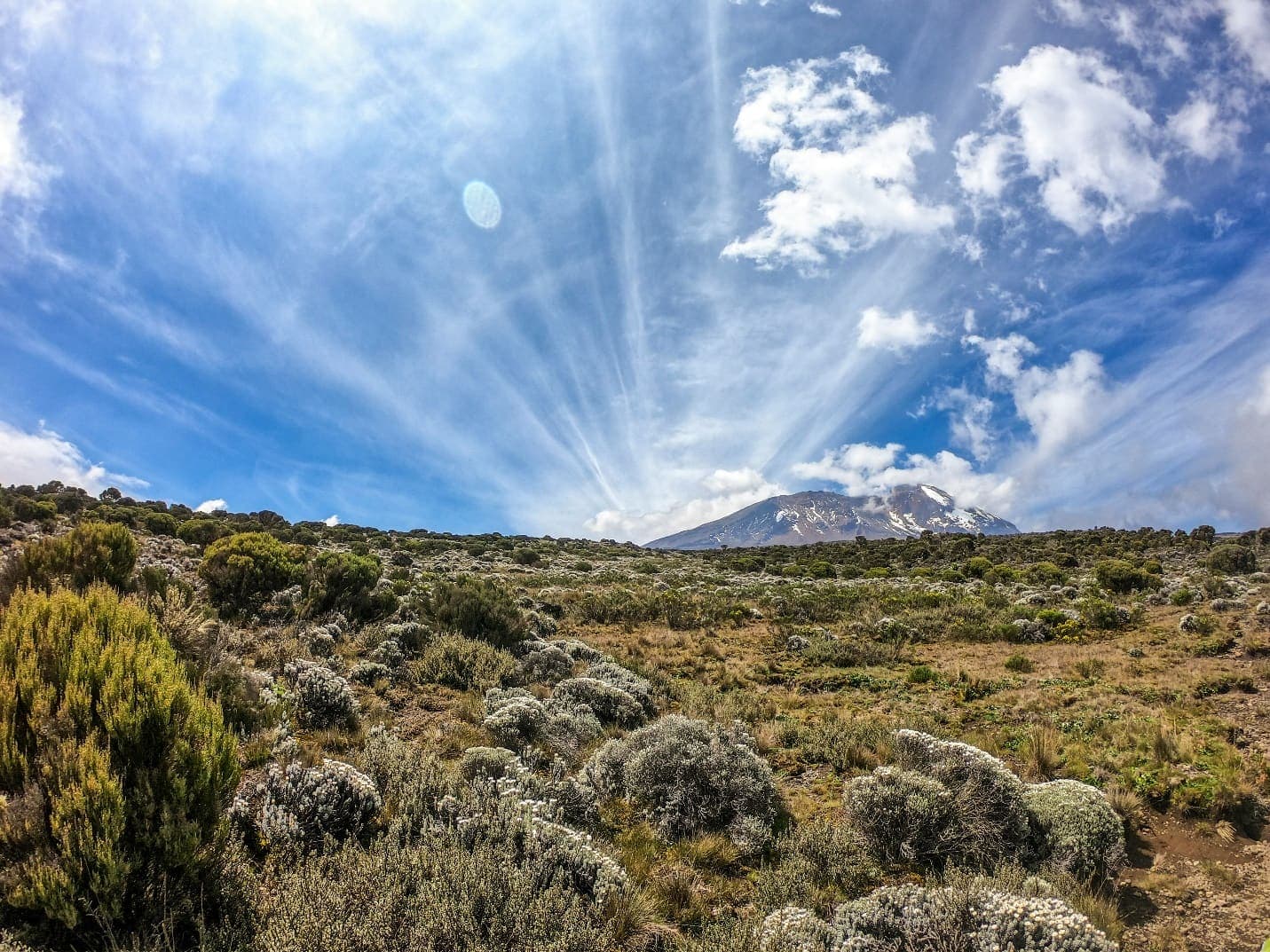
Beginning on Kilimanjaro's southern side, this route leads through dense tropical rainforest, follows a narrow mountain ridge, opens onto dramatic alpine landscapes, and eventually joins the Southern Circuit before the summit attempt at Uhuru Peak, Africa's highest point at 5,895 metres (19,341 feet).
The Umbwe Route is known for its steep initial ascent, quieter lower trail and spectacular scenery, making it an appealing choice for experienced adventurers seeking a more demanding alternative to the mountain's gentler approaches. Unlike routes that provide more time to gain elevation gradually, Umbwe reaches high camps relatively quickly, so the six-day itinerary is best suited to well-prepared trekkers with previous high-altitude experience, rather than beginners seeking the easiest route to the summit.
With Trust Tours & Safaris, your expedition is organised around professional mountain guidance, camping accommodation, freshly prepared meals, porter support, route coordination and careful attention to the changing conditions on the mountain. Our goal is to provide clear information before departure, explain what your package covers, and help you understand the physical demands of the climb so you can make an informed decision.
Choose Umbwe for a rugged, challenging and rewarding Kilimanjaro experience — with a professional local team supporting you at every stage of the journey.
- Destination
- Mount Kilimanjaro National Park, Tanzania
- Route
- Umbwe ascent and Mweka descent
- Duration
- 6 days on the mountain
- Highest point
- Uhuru Peak, 5,895 m
- Starting elevation
- Approximately 1,600 m at Umbwe Gate
- Accommodation
- Mountain camps in expedition tents
- Difficulty
- Very challenging, with steep early days and demanding altitude
- Recommended for
- Fit, experienced trekkers who understand the risks of high altitude
- Summit approach
- Barafu Camp via Stella Point
- Guiding and support
- Professional mountain guides and supporting crew
Highlights
- Steep, quiet ridge trail through the rainforest
- Joins the Southern Circuit at the spectacular Barranco Valley
- The famous Barranco Wall and a night at Karanga Camp
- Summit via Stella Point and descent on the Mweka Route
Best months to climb: Jan · Feb · Mar · Jun · Jul · Aug · Sep · Oct
6-day climbing
Price per person
| Route | 1 pax | 2 pax | 3 pax | 4 pax | 5 pax | 6 pax | 7 pax | 8+ pax |
|---|---|---|---|---|---|---|---|---|
| Umbwe route 6 days | $3,250 | $2,750 | $2,550 | $2,450 | $2,400 | $2,350 | $2,325 | $1,990 |
A guided six-day Umbwe climb with camping accommodation, mountain meals, park-related charges and organised crew support.
How the prices work
These are indicative planning prices per person in US dollars for a guided six-day Umbwe climb with camping accommodation, mountain meals, park-related charges and organised crew support.
The solo price reflects the higher cost of organising a private expedition for one climber, while two-person and larger groups can share certain operational costs. The price for eight or more climbers is a starting estimate and may change according to the final group size, travel dates, accommodation arrangements before and after the climb, and any additional services requested.
These prices are intended for a quality guided mountain expedition rather than a stripped-down budget climb. They are realistic planning prices for 2027–2028. The 2-person rate assumes two climbers booking together and sharing a hotel room. Solo pricing includes the additional cost of operating the expedition for one climber. Larger groups require confirmation of crew capacity and safe guide-to-climber ratios.
Before you pay a deposit, we confirm your final price, payment schedule, cancellation terms and any optional services in writing.
Important: Umbwe's six-day itinerary has limited acclimatisation time. We encourage climbers to discuss their experience, fitness, previous altitude exposure and medical suitability before booking. A seven-day Umbwe itinerary or a longer alternative may be a better choice for many trekkers.
Guides, crew and transport are shared by the whole party, so the more of you there are, the less each person pays. Travelling alone? You can also join a group departure.
Day-by-Day Itinerary
Route profile
6 days on the mountain · highest point 5,895 m · about 37 km
Swipe sideways to see every day →
- 1
Day 1
Umbwe Gate to Umbwe Cave Camp — Through the Tropical Rainforest
1,600 m → 2,850 m10–11 km5–7 hoursYour Kilimanjaro adventure begins with a morning pickup from your agreed hotel in Moshi or Arusha, followed by a transfer to Umbwe Gate on the southern side of Mount Kilimanjaro. After completing the required park registration and meeting your mountain team, you will begin climbing through a lush rainforest environment where tall trees, thick undergrowth, hanging moss, ferns, and the sound of flowing water create a remarkable introduction to the mountain.
The Umbwe trail is known for its direct, steep character, and the first day involves a sustained climb rather than a gentle walk across the lower slopes. As you follow the ridge between the Umbwe and Lonzo river valleys, the path can become muddy or slippery, particularly during wet weather, so sturdy hiking boots, trekking poles, careful foot placement, and your guide’s instructions are especially important.
The forest offers opportunities to appreciate Kilimanjaro’s rich natural environment, and you may hear or spot wildlife such as blue monkeys or black-and-white colobus monkeys, although sightings cannot be guaranteed. As you gain elevation, the atmosphere becomes cooler, the vegetation changes, and the trail leads deeper into a quieter section of the mountain where fewer trekkers may be encountered than on more frequently used approaches.
By late afternoon, you will arrive at Umbwe Cave Camp, where the mountain crew will have arranged the expedition campsite. Your tent will provide shelter for the night, and your support team will prepare a warm meal while you rest, hydrate, and prepare for another demanding ascent the following morning.
Your guide will discuss how you are feeling, explain the following day’s route, and remind you to report symptoms such as headache, nausea, dizziness, or unusual fatigue as soon as they occur.
- Overnight:
- Umbwe Cave Camp (tents)
- Meals:
- Lunch and dinner
- 2
Day 2
Umbwe Cave Camp to Barranco Camp — Climb the Ridge into the Moorland
2,850 m → 3,960 m6–7 km4–6 hours
After breakfast, you will leave Umbwe Cave Camp and continue climbing along the narrow, steep ridge, following the route towards the higher slopes of Kilimanjaro. The forest gradually thins, revealing more open ground, giant heathers, rugged volcanic scenery, and views towards the mountain’s higher peaks when cloud and weather conditions allow.
This is a short-distance day compared with some other Kilimanjaro stages, but the steep ascent and rapid gain in elevation make it physically demanding. Your guide will encourage a measured pace, regular breaks, appropriate hydration, and honest communication about how you are feeling rather than allowing the group to push ahead too quickly.
As you approach Barranco Camp, the trail opens onto the spectacular Barranco Valley beneath the mountain’s imposing southern slopes. The scenery here is one of the highlights of the Umbwe approach, with dramatic rock formations, alpine vegetation, and views of the higher mountain landscape that contrast sharply with the dense forest of the previous day.
Barranco Camp is where the Umbwe Route joins the more commonly travelled southern routes, including the Machame approach. You may therefore encounter more climbers and a livelier campsite than on the lower Umbwe trail.
On arrival, the crew will arrange your tent and prepare meals while you rest. Because you have gained altitude quickly, your guide will pay close attention to your condition and explain the importance of reporting symptoms rather than assuming that tiredness is simply a normal part of climbing.
- Overnight:
- Barranco Camp (tents)
- Meals:
- Breakfast, lunch and dinner
- 3
Day 3
Barranco Camp to Karanga Camp — Climb the Famous Barranco Wall
3,960 m → 4,035 m5–7 km4–5 hoursToday begins with one of Kilimanjaro’s most recognisable trail features: the Barranco Wall, a steep rocky section that requires careful scrambling and the use of your hands for balance in places. Although it is not generally a technical climbing route requiring ropes for the standard trail, it can feel exposed and challenging, so you should follow your guide’s instructions, maintain suitable spacing, and move deliberately rather than rushing.
As you climb higher along the wall, the valley gradually falls away beneath you and the landscape opens to impressive views across the southern slopes of Kilimanjaro. Weather permitting, you may see sections of the high mountain terrain and surrounding ridgelines, creating excellent opportunities for photographs during suitable stops.
After reaching the top of the wall, you will continue across a series of rocky ridges and valleys towards Karanga Camp. The trail rises and falls rather than climbing continuously, so the day still requires concentration, steady footing, and enough energy to manage the changing terrain.
Karanga Camp provides an important staging point on the Southern Circuit before the climb towards Barafu Camp. You will have time to settle into camp, enjoy a freshly prepared meal, and rest while the guide team reviews your condition and explains the following day’s ascent.
Although the day may be shorter than the first two stages, the altitude remains significant. Your guide will encourage you to conserve energy, eat properly, and prepare your clothing and equipment for the colder conditions expected at higher elevations.
- Overnight:
- Karanga Camp (tents)
- Meals:
- Breakfast, lunch and dinner
- 4
Day 4
Karanga Camp to Barafu Camp — Reach the Summit Base Camp
4,035 m → 4,673 m4–6 km3–5 hoursAfter breakfast, you will leave Karanga Camp and continue ascending across exposed alpine terrain towards Barafu Camp, the principal staging camp for the summit attempt on this itinerary. Vegetation becomes sparse, the ground is increasingly rocky, and the atmosphere grows colder and more exposed as you approach the higher mountain slopes.
Although this stage is relatively short, the climb to approximately 4,600 metres can feel difficult because of the reduced oxygen availability at altitude. Your guide will maintain a steady pace, monitor how you are responding, and allow appropriate breaks while the group moves towards the summit base camp.
Barafu means “ice” in Swahili, and the camp’s exposed position reflects the harsh conditions that can occur at this elevation. You should expect basic expedition camping, cold temperatures, possible strong winds, and limited comfort compared with accommodation at lower elevations.
After reaching camp, you will eat, rest, organise your summit-day clothing, check your headlamp and spare batteries, prepare your water system, and make sure that your gloves, warm layers, waterproofs, and other essential items are ready. Your guide will provide a summit briefing covering the expected departure time, pace, route, weather conditions, and the importance of turning around if continuing becomes unsafe.
An early rest period is essential because the summit attempt usually begins around midnight or in the early hours of the morning. The team will help you prepare for the demanding night ahead, but no summit attempt should proceed if your physical condition indicates that it is unsafe.
- Overnight:
- Barafu Camp (tents)
- Meals:
- Breakfast, lunch and dinner
- 5
Day 5
Summit Uhuru Peak and Descend to Mweka Camp — The Ultimate Challenge
4,673 m → 3,100 mHighest point 5,895 m12–16 hours or longer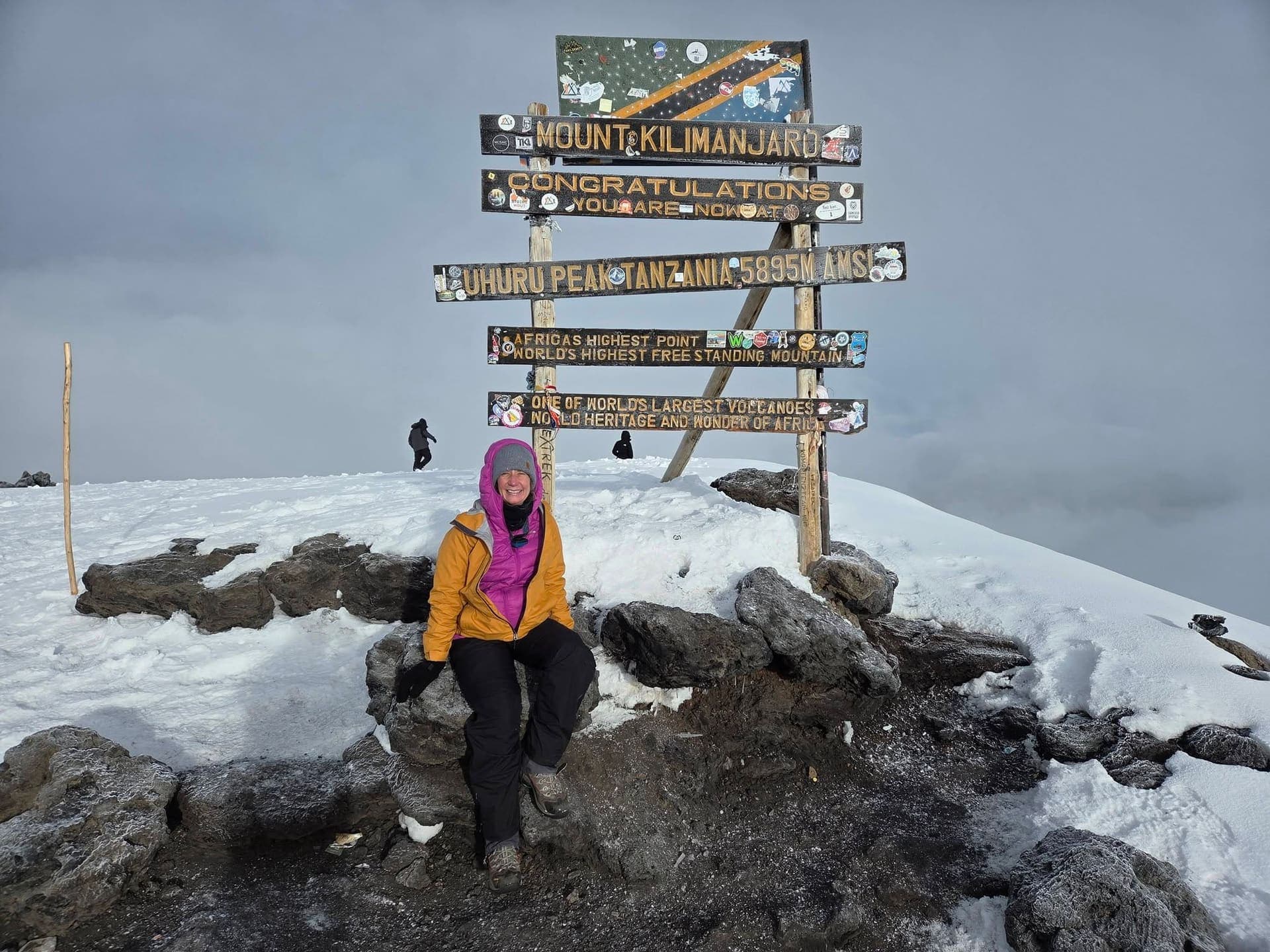
The summit day begins before dawn, often around midnight, when your guide wakes you for a light refreshment before the final ascent. In darkness and cold conditions, you will begin climbing the steep volcanic scree towards Stella Point on the crater rim, moving slowly and steadily as your body works at an elevation where oxygen availability is significantly lower than at sea level.
This is often the most physically and mentally demanding part of the expedition. The trail is steep, the temperature may be well below freezing, and the combination of darkness, altitude, and sustained effort can make progress slow. Your guide will monitor the group, encourage a sustainable pace, and make decisions based on safety rather than pressure to reach the summit.
After reaching Stella Point, at approximately 5,756 metres, climbers who are well enough and have suitable conditions may continue along the crater rim towards Uhuru Peak. If you reach the summit, you will stand at 5,895 metres above sea level, the highest point in Africa, and have an opportunity to celebrate your achievement and take photographs when conditions permit.
The summit experience can be extraordinary, but reaching Uhuru Peak is not guaranteed. Altitude-related illness, extreme fatigue, weather, or other safety concerns may require you to turn around before reaching the highest point, and your guide’s decision to descend must be respected.
After the summit attempt, you will retrace the route towards Barafu Camp and continue down the Mweka descent trail to Mweka Camp. This long descent places considerable strain on tired legs, so trekking poles, careful movement on loose ground, and regular communication with the guide team remain important even after the summit objective has been completed.
At Mweka Camp, your mountain crew will arrange your tent and serve a meal according to the expedition schedule. You will have reached a substantially lower elevation than the summit, providing an opportunity to rest after one of the most demanding days of the climb.
- Overnight:
- Mweka Camp (tents)
- Meals:
- Summit refreshments and meals
- 6
Day 6
Mweka Camp to Mweka Gate — Complete Your Kilimanjaro Expedition
3,100 m → 1,640 m8–10 km3–5 hoursAfter breakfast, you will begin the final descent from Mweka Camp towards Mweka Gate, following a trail that gradually returns through the mountain’s lower vegetation zones. Compared with the rocky terrain near the summit, the lower forest is warmer, greener, and more humid, although the trail may be muddy or slippery, particularly after rainfall.
Your guide will help you maintain a careful pace while your legs recover from the previous day’s summit attempt. The descent is an important part of the expedition, and you should continue using appropriate footwear and trekking poles where helpful rather than assuming that the final stage is effortless.
As you approach Mweka Gate, the rainforest becomes denser and the sounds of the lower mountain return. On arrival, your group will complete the required park exit procedures, and climbers who qualify under the park’s rules can receive the appropriate summit or crater-rim certificate according to the highest official point reached.
Your guide team will congratulate you on completing the route and help coordinate the prearranged transfer to your hotel in Moshi or Arusha. After six days of challenging trekking, you can enjoy a shower, a comfortable bed, and a well-earned celebration of your Kilimanjaro experience.
If you would like to continue your Tanzanian holiday, Trust Tours & Safaris can also discuss an extension to Serengeti National Park, Ngorongoro Crater, Tarangire National Park, or Zanzibar, with all additional services priced separately according to your preferences.
- Overnight:
- Transfer to your hotel in Moshi or Arusha
- Meals:
- Breakfast
What's included in the price
- Kilimanjaro National Park fees: Applicable park entry and conservation charges for the six-day expedition, based on the official tariffs in force for your travel dates.
- Camping fees: Applicable designated mountain camping charges for the itinerary.
- Mountain camping equipment: Expedition tents and shared campsite equipment needed for the planned nights.
- Professional mountain guides: The guide team required for the expedition, with appropriate qualifications and local knowledge.
- Porters and support crew: Porter services and the required supporting mountain crew for transporting agreed expedition supplies and running the campsite.
- Mountain meals: Breakfast, lunch and dinner on the mountain, with the exact meal arrangements for summit day confirmed in writing.
- Drinking water: Water treated or prepared according to the operator's arrangements.
- Transfers to the trailhead and from the exit gate: Road transport between the agreed Moshi or Arusha pickup point, Umbwe Gate and Mweka Gate.
- Expedition briefing and coordination: Pre-climb briefing, route coordination, registration arrangements and logistical planning for the scheduled climb.
- Basic safety procedures: Guide monitoring, communication arrangements and the applicable park rescue procedures included in the confirmed package.
- Certificate arrangements: Assistance with the applicable park certificate procedures for climbers who qualify.
- Applicable taxes and mandatory charges: Listed or clearly identified in the final written offer.
What's not included
- Hotel accommodation: Hotel nights in Moshi or Arusha before or after the climb (can be added).
- Airport transfers not specified: Transfers to or from Kilimanjaro International Airport or another airport.
- International flights: Airfare to and from Tanzania, including connecting flights.
- Visa and entry documents: Tanzanian visa charges, passport expenses and other required travel documentation.
- Travel and medical insurance: Insurance suitable for high-altitude trekking up to 6,000 metres, including emergency medical care and evacuation where covered by the policy.
- Personal trekking equipment: Hiking boots, waterproof clothing, insulated jackets, thermal base layers, gloves, hats, headlamps, trekking poles, sleeping bags and other personal equipment unless provided or rented under a confirmed arrangement.
- Tips and gratuities: Tips for guides, assistant guides, porters, cooks and other supporting mountain crew members.
- Personal purchases: Snacks, soft drinks, alcoholic beverages, souvenirs, telephone charges, laundry and other personal expenses.
- Personal medication and medical supplies: Prescription medication, personal first-aid items and medical consultations before or after the climb.
- Additional accommodation or meals: Any hotel meals, extra nights or services outside the confirmed mountain package.
- Emergency expenses outside the package: Hospital bills, specialist treatment, helicopter rescue or evacuation expenses not expressly covered by the operator or insurance policy.
- Changes to the itinerary: Additional transport, accommodation or logistical expenses resulting from itinerary changes, extra nights or arrangements outside the original quotation.
- Optional activities and extensions: Safaris, Zanzibar holidays, cultural excursions or any other activity not listed in the confirmed package.
Please confirm before booking
Sleeping bags, mattresses, private portable toilets, airport transfers, hotel accommodation, oxygen equipment, and additional medical or evacuation services should not be assumed to be included unless they are expressly listed in your quotation.
Safety and acclimatisation: important information for Umbwe climbers
Umbwe is a demanding route because it gains altitude quickly during the first two days and provides limited time for acclimatisation on a six-day schedule. A strong level of fitness is helpful, but fitness alone does not protect against altitude illness, which can affect experienced athletes and trekkers as well as beginners.
Before booking, we recommend that climbers discuss their previous trekking experience, altitude exposure, medical history and physical preparation with an appropriate healthcare professional. Training should include regular cardiovascular exercise, long walks on varied terrain, practice with hiking boots and a loaded daypack, and preparation for cold, wet and windy conditions.
During the expedition, walk at the pace recommended by your guide, eat regularly, drink appropriate amounts of fluid, protect yourself from the cold, and report symptoms such as headache, nausea, dizziness, unusual fatigue or vomiting promptly. Severe or worsening symptoms require immediate assessment and may mean stopping the ascent and descending; no summit objective should take priority over safety.
Trust Tours & Safaris places safety and responsible decision-making at the centre of mountain operations. The guide team may modify the pace, change the planned activity, or end an ascent when conditions or a climber's health make continuing unsafe. The summit cannot be guaranteed, and any evacuation or medical costs beyond the services explicitly included in your package remain subject to the relevant park arrangements, insurance policy and written booking terms.
Age policy: Trust Tours & Safaris accepts climbers aged 12–70, subject to medical suitability, assessment and applicable park requirements. Confirm age eligibility with us before booking, particularly for younger climbers or travellers over 70.
Why choose Trust Tours & Safaris?
Trust Tours & Safaris is a local Tanzanian tour operator helping visitors organise mountain climbs, wildlife safaris and holidays across Tanzania. We understand that choosing a Kilimanjaro operator is an important decision, and we aim to make the process clear through detailed itineraries, transparent pricing, realistic advice and a written explanation of what is included in your trip.
Our team can help you discuss the most suitable route, your preferred travel dates, group size, equipment requirements, hotel arrangements and any additional safari or Zanzibar holiday you would like to include. We encourage clients to ask questions before booking so they can understand the physical demands of the climb, the accommodation standards, the responsibilities of the mountain crew and the limits of the services provided.
Our commitment is to organise your expedition responsibly, communicate honestly and support your journey with a professional local team. We cannot promise that every climber will reach Uhuru Peak, but we can help you prepare carefully, understand the route and make informed decisions throughout your adventure.
Book your 2027–2028 Umbwe Route climb
Are you ready for one of Kilimanjaro's most challenging approaches? Contact Trust Tours & Safaris with your preferred dates, number of climbers, previous hiking experience and any additional travel plans. We will help you review the itinerary and prepare a written quotation that clearly identifies the price, included services, excluded costs, payment terms and booking conditions.
All prices shown are indicative until confirmed in writing. Official park tariffs, taxes, exchange rates, crew costs and operating requirements may change before travel.
- WhatsApp: +255 785 938 860
- Email: info@trusttourstz.com
- Website: trusttourstz.com
Frequently Asked Questions
Still have questions? Ask Ombeni directly on WhatsApp.
Compare every Kilimanjaro climb
Prices per person in US dollars. Open any climb for its full itinerary and price table, or see all routes side by side.
| Climb | On the mountain | Difficulty | 1 person | Groups from |
|---|---|---|---|---|
| 5-Day Marangu | 5 days | Challenging | $2,850 | $1,999 |
| 6-Day Marangu | 6 days | Moderate | $2,627 | $1,950 |
| 6-Day Machame | 6 days | Challenging | $3,250 | $2,250 |
| 6-Day Rongai | 6 days | Moderate | $3,250 | $2,300 |
| 6-Day Umbwe (this climb) | 6 days | Tough | $3,250 | $1,990 |
| 7-Day Machame | 7 days | Challenging | $3,233 | $2,350 |
| 7-Day Lemosho | 7 days | Challenging | $3,250 | $2,450 |
| 8-Day Lemosho | 8 days | Challenging | $3,850 | $2,550 |
| 9-Day Northern Circuit | 9 days | Challenging | $4,550 | $2,850 |
| 11-Day Northern Circuit + Crater Camp | 11 days | Tough | $6,250 | $3,590 |
Read before you go
Free, no-fluff guides from the people who run the trips.
How Long Does It Take to Climb Kilimanjaro?
Five to nine days — and why the longer routes reach the summit far more often.
Read guide →Kilimanjaro · 12 min readClimbing Kilimanjaro: The Complete Guide
Everything that actually decides whether you stand on the Roof of Africa — routes, days, fitness, altitude, cost and timing — in one honest read.
Read guide →Kilimanjaro · 9 min readClimbing Kilimanjaro for Beginners
Can a beginner climb Kilimanjaro? Yes — most reasonably fit first-timers can, with the right route, some training and a slow pace. An honest first-timer's guide.
Read guide →Ready to climb?
Plan your 6-Day Umbwe with Ombeni
Per person in US dollars. The 2-person rate assumes two climbers sharing a hotel room; the solo rate carries the full cost of a private expedition. Final price confirmed in your written quote.
1 person
$3,250
per person